Historical Places
Jamarat
Makkah
At the western end of Mina are three pillars located in succession—Jamrat al-Sughra, Jamrat al-Wusta, and Jamrat al-Aqabah. During Hajj, pilgrims throw pebbles here: on 10 Dhul-Hijjah, only at Jamrat al-Aqabah, and then, on the days of Tashriq, at all three. This practice is associated with the memory of Ibrahim (peace be upon him) and is an obligatory part of Hajj. Previously, the pillars were shaped like narrow columns; later, to prevent crowding and accidents, they were transformed into long walls. At present, the Jamarat Bridge has five levels, pebbles can be thrown separately from each level, and the entry and exit routes are kept one-way. Pilgrims are sent in groups according to a specified schedule.
More places in Makkah
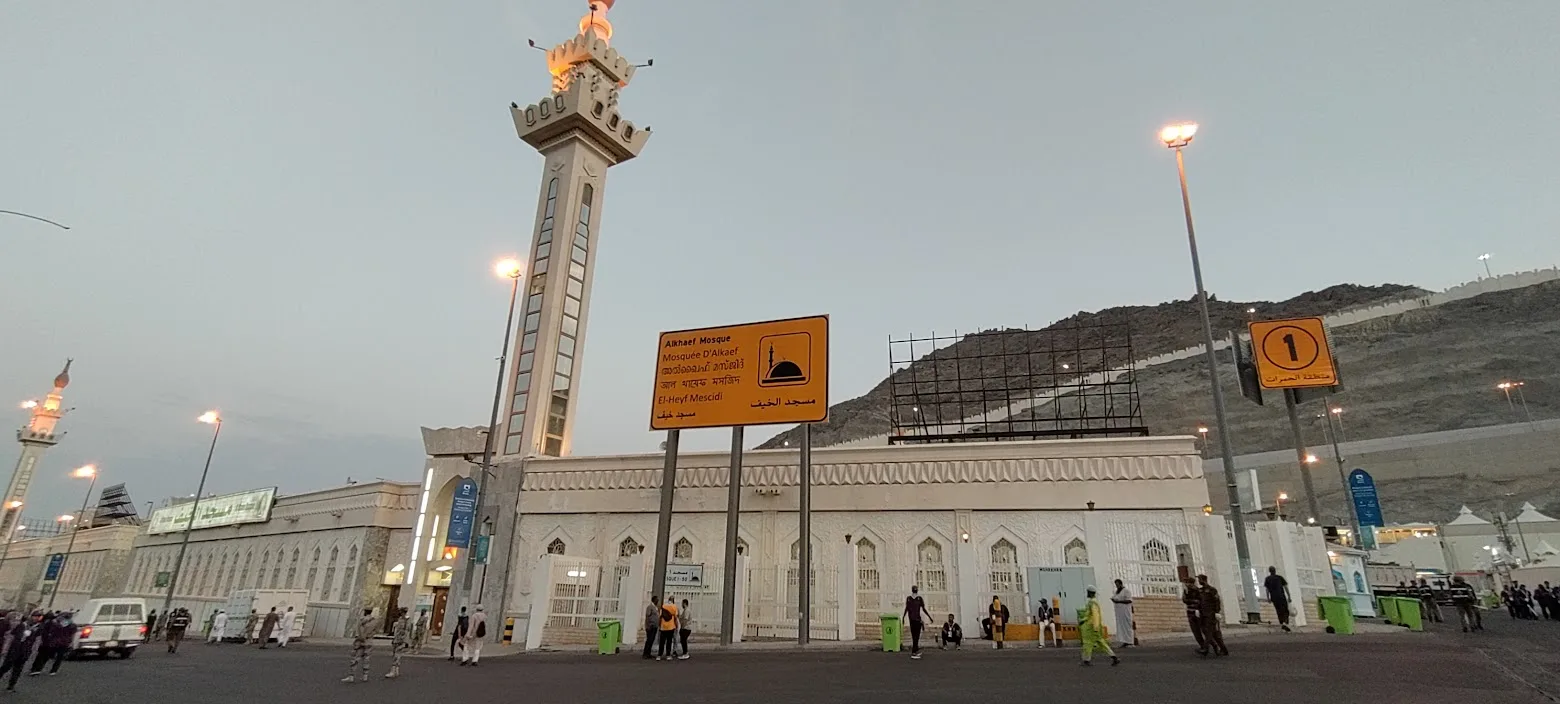
Masjid al-Khayf
Mina’s largest and oldest mosque is located near Jamrat al-Sughra. During the Farewell Hajj, the Messenger of Allah ﷺ performed prayer here.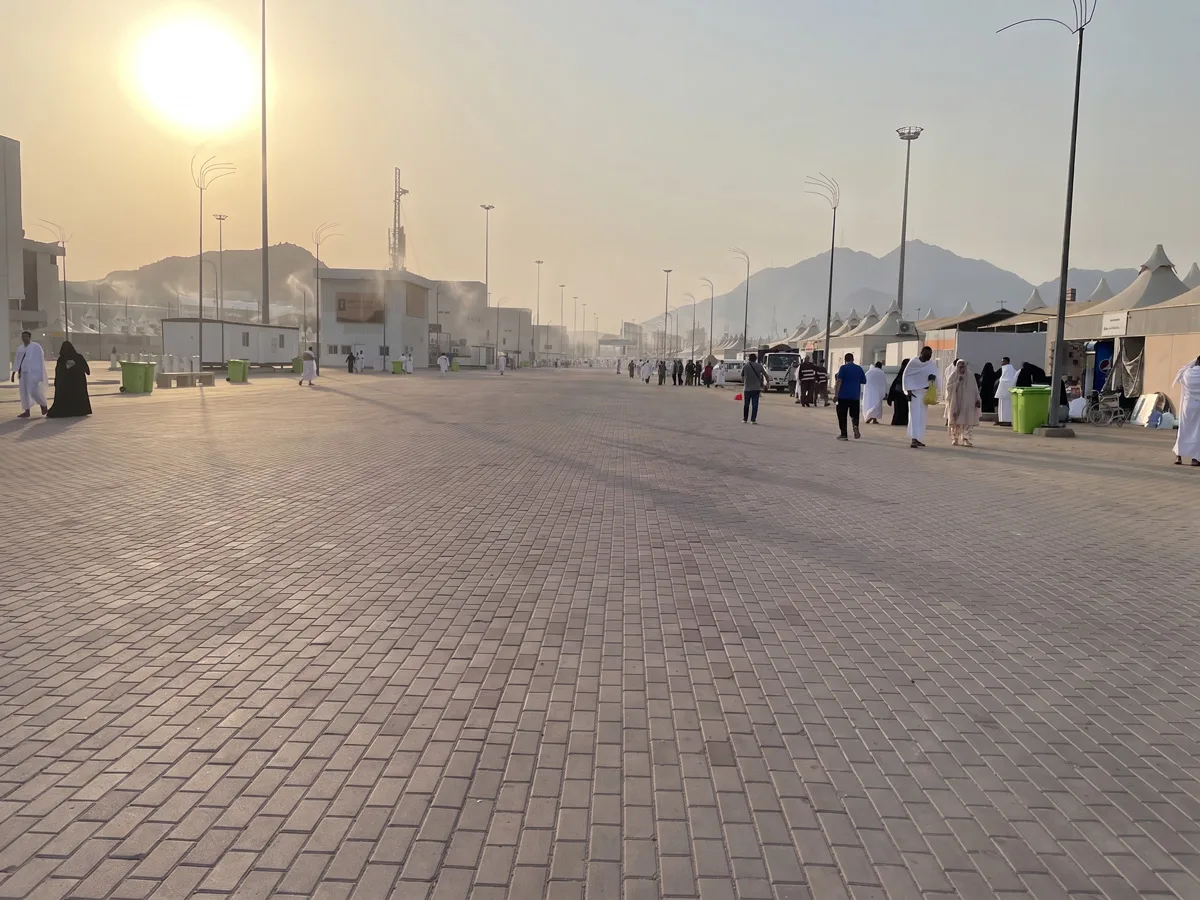
Mina—the City of Tents
A valley located between Makkah and Muzdalifah, where the pilgrims stay during the days of Hajj. This place is the center for the Jamarat, sacrifice, and the nights of Tashriq.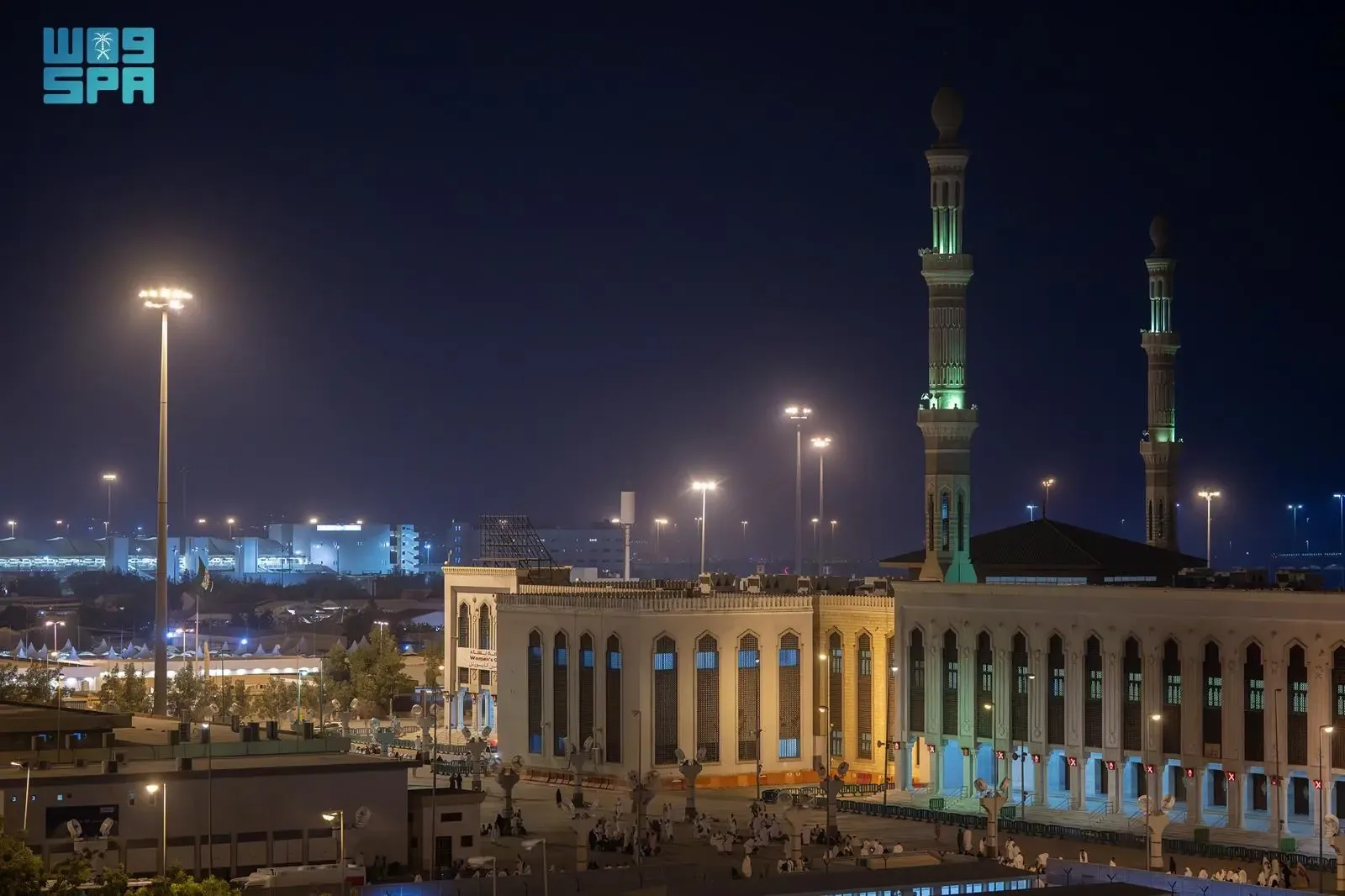
Arafat and Masjid Namirah
A vast plain east of Makkah, where the pilgrims stay on 9 Dhul-Hijjah. This wuquf is the principal pillar of Hajj. Masjid Namirah is located at the western edge of the plain.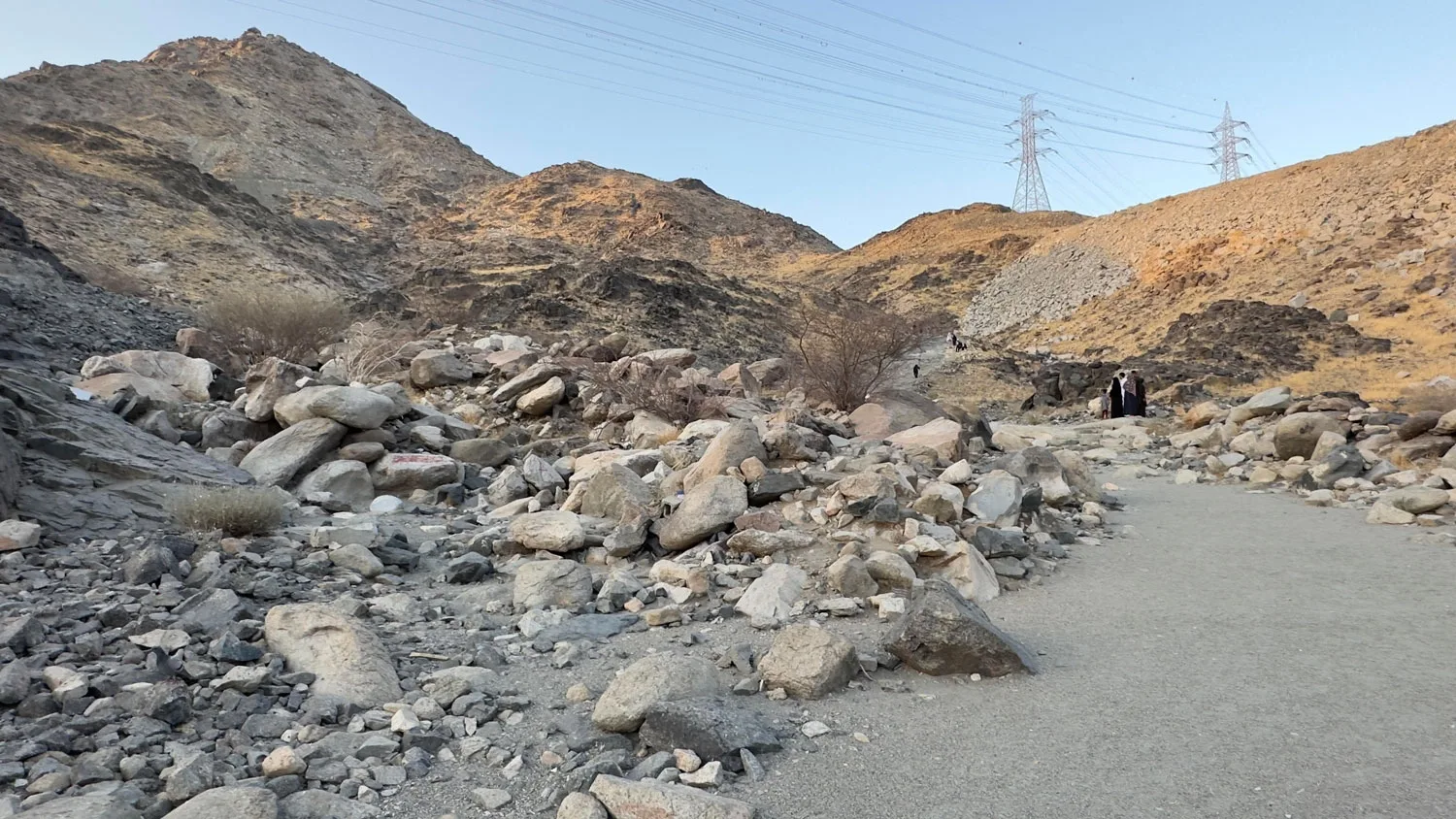
Jabal Thawr and the Cave of Thawr
A small cave hidden on the steep slopes of Jabal Thawr, south of Makkah. During the Hijrah, the Messenger of Allah ﷺ and Abu Bakr (may Allah be pleased with him) took refuge here for three nights.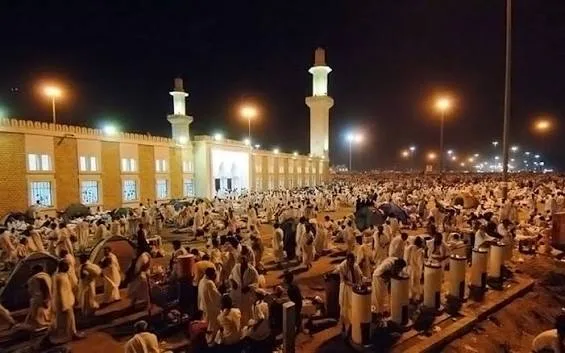
Muzdalifah and al-Mash‘ar al-Haram
An open area situated between Arafat and Mina, where pilgrims stay on the night of 9 Dhul-Hijjah. The mountain here is called Mash'ar al-Haram.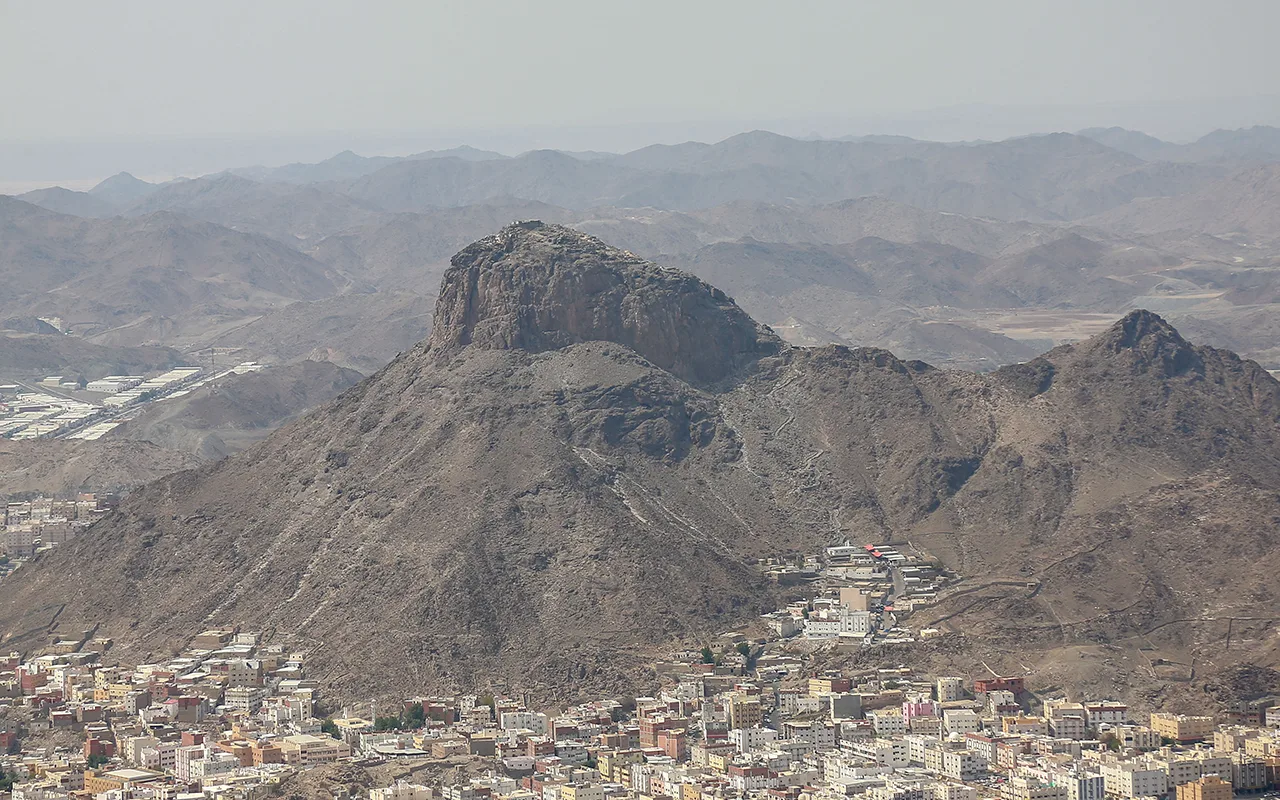
Jabal al-Nur and the Cave of Hira
The small cave of Ghar Hira is near the summit of a steep mountain northeast of Makkah.