Historical Places
Mina—the City of Tents
Makkah
Approximately seven kilometres east of Al-Masjid al-Haram lies a mountain-enclosed valley within the boundaries of the Haram. During Hajj, pilgrims begin staying here from 8 Dhul-Hijjah. After returning from Arafat and Muzdalifah, they come back to Mina on 10 Dhul-Hijjah and spend the nights of the Days of Tashriq here. Within Mina are the three Jamarat, the place of sacrifice, and Masjid al-Khayf. The area remains almost empty for the rest of the year, but during the few days of Hajj it becomes a temporary tent city for millions of people—hence it is called the “City of Tents.” Today, the tents are made of fire-resistant materials and are permanently arranged, and the area also has the Mashair Metro line and the multi-level Jamarat Bridge.
More places in Makkah
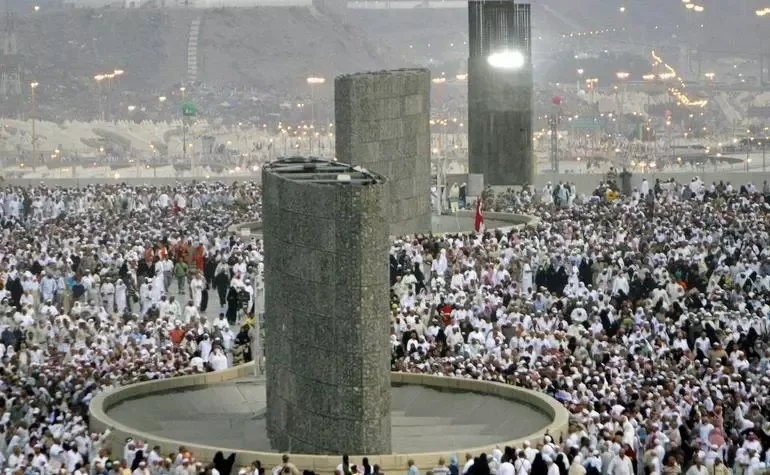
Jamarat
The three pillars located in Mina, at which pilgrims throw pebbles. This is an obligatory rite of Hajj, associated with the memory of Ibrahim (peace be upon him).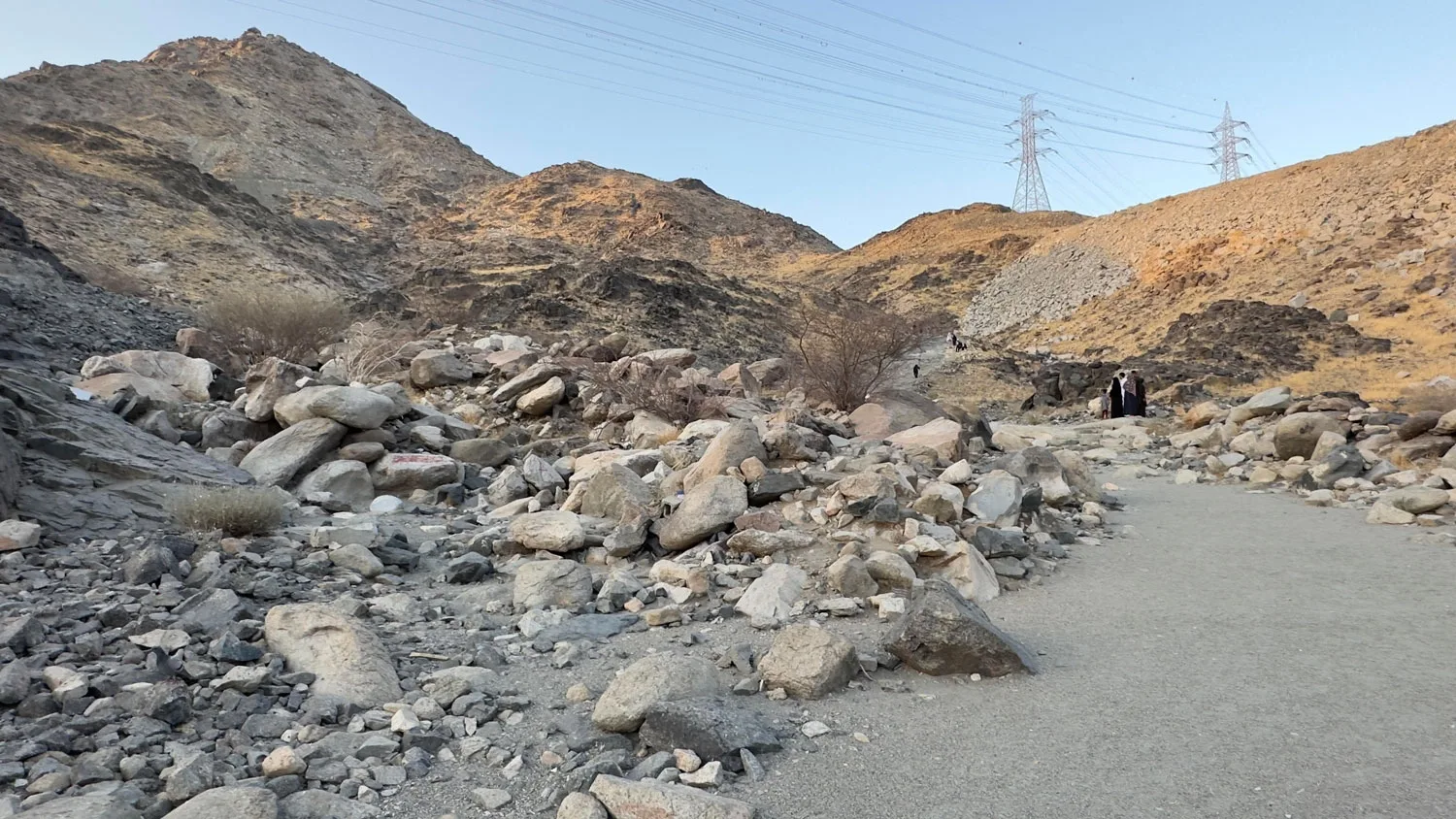
Jabal Thawr and the Cave of Thawr
A small cave hidden on the steep slopes of Jabal Thawr, south of Makkah. During the Hijrah, the Messenger of Allah ﷺ and Abu Bakr (may Allah be pleased with him) took refuge here for three nights.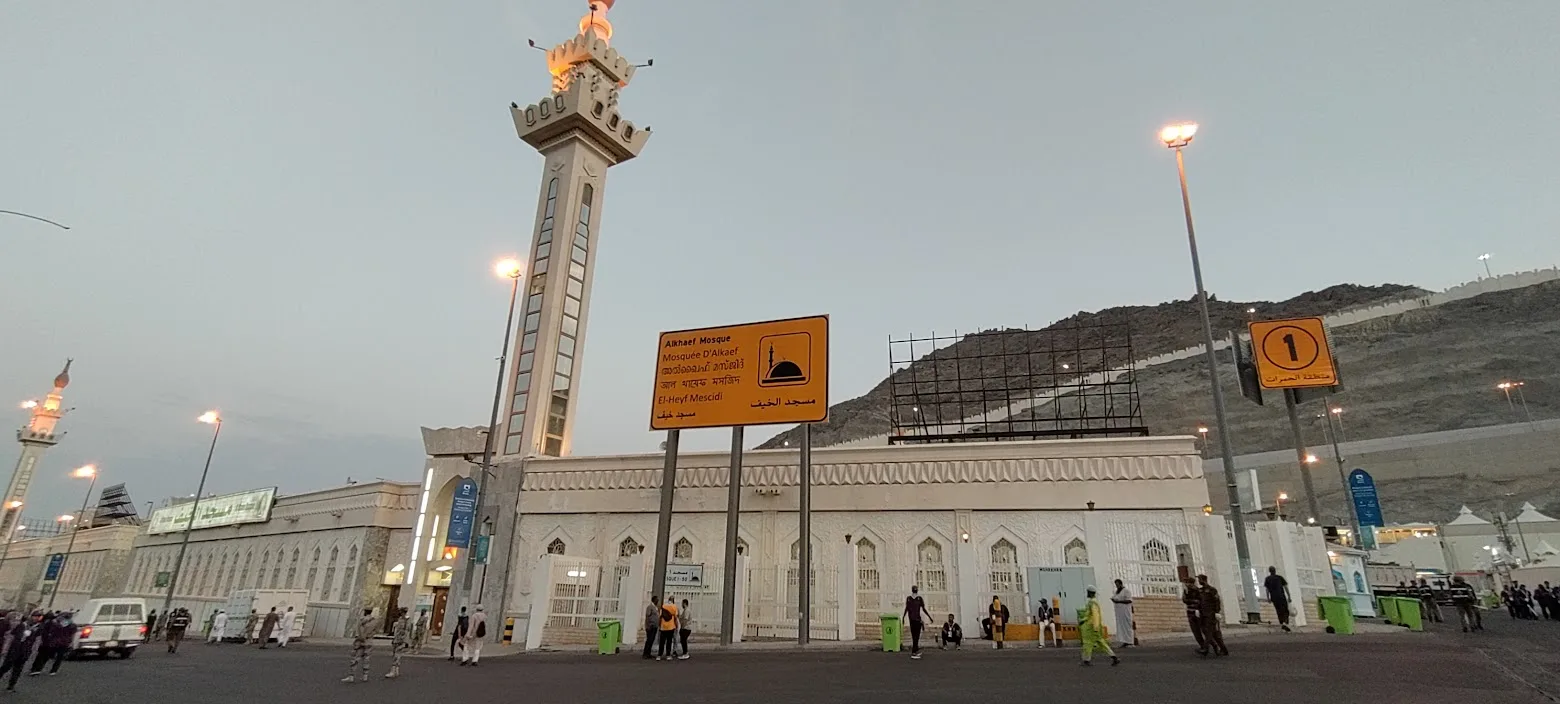
Masjid al-Khayf
Mina’s largest and oldest mosque is located near Jamrat al-Sughra. During the Farewell Hajj, the Messenger of Allah ﷺ performed prayer here.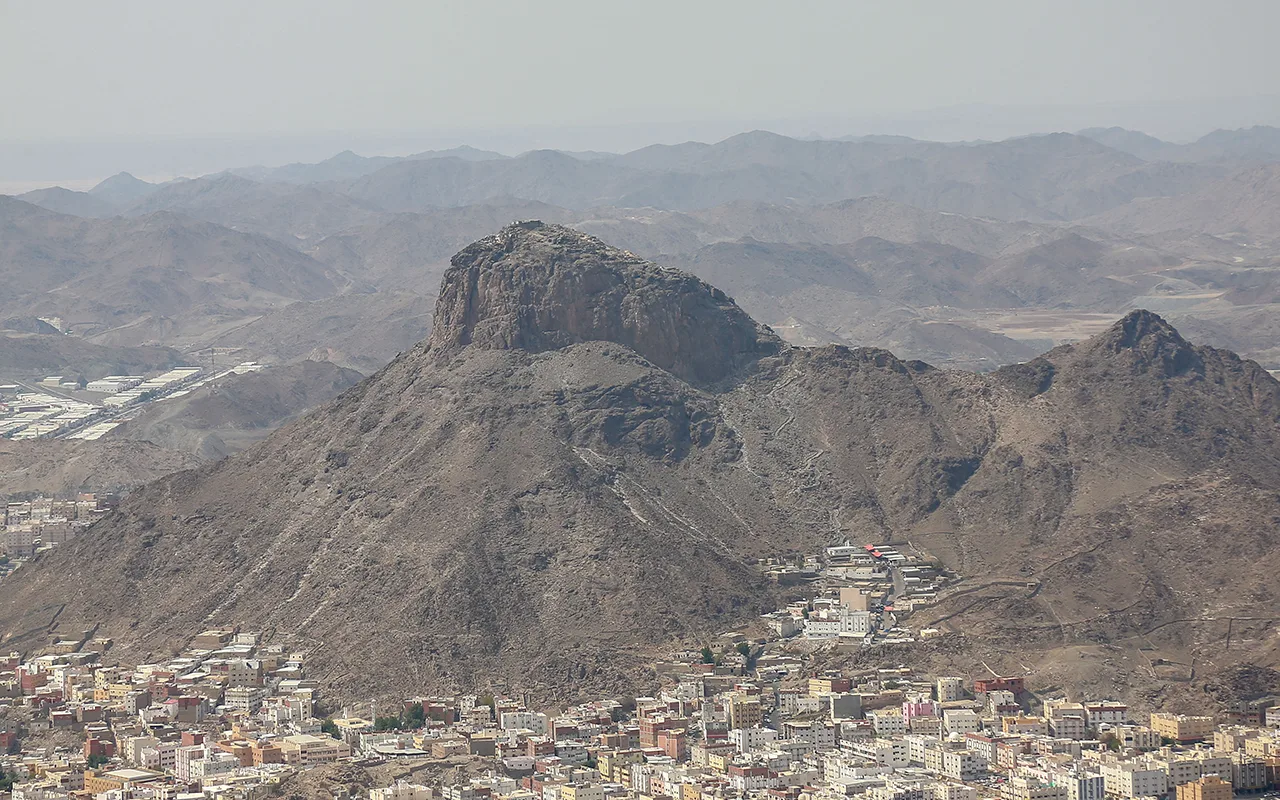
Jabal al-Nur and the Cave of Hira
The small cave of Ghar Hira is near the summit of a steep mountain northeast of Makkah.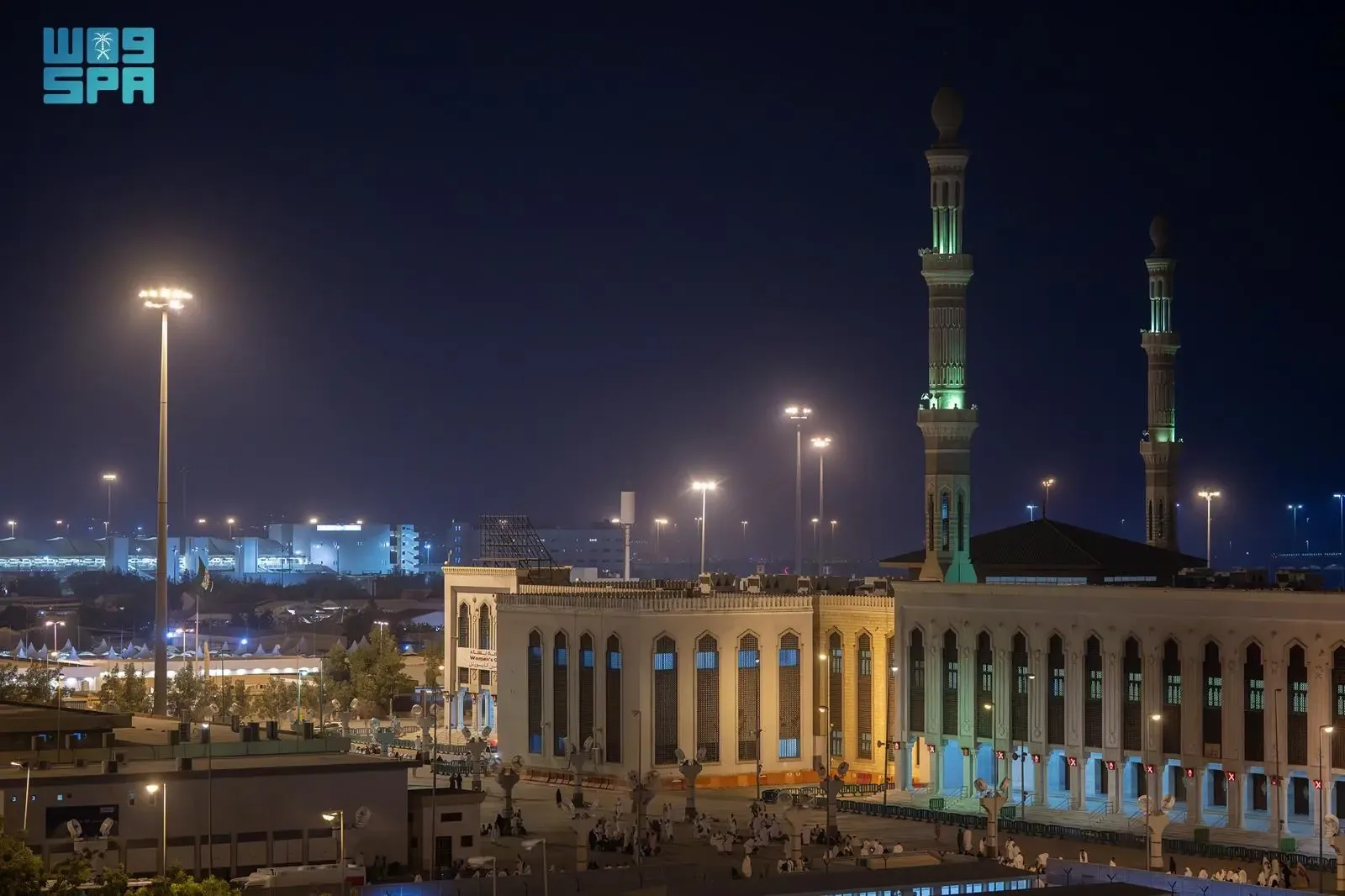
Arafat and Masjid Namirah
A vast plain east of Makkah, where the pilgrims stay on 9 Dhul-Hijjah. This wuquf is the principal pillar of Hajj. Masjid Namirah is located at the western edge of the plain.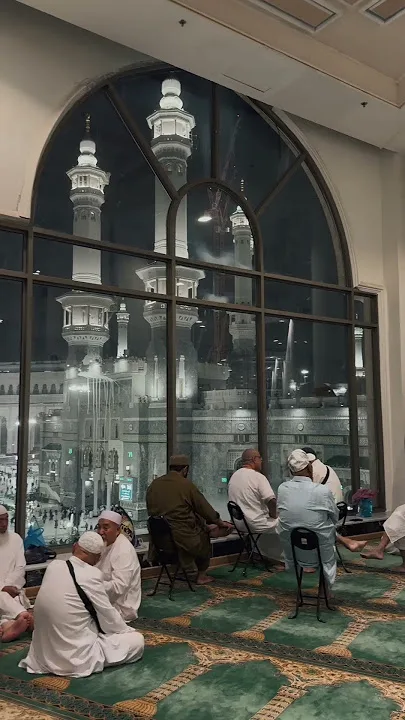
Abu Bakr (may Allah be pleased with him) Mosque
Although there is a mosque on the fourth floor, the high-rise building houses a shopping mall where various kinds of goods can be purchased.