Guides
Historical Places
Historic Islamic sites in Makkah, Madinah and Taif, with photos and a short note on each.
Makkah
11 places
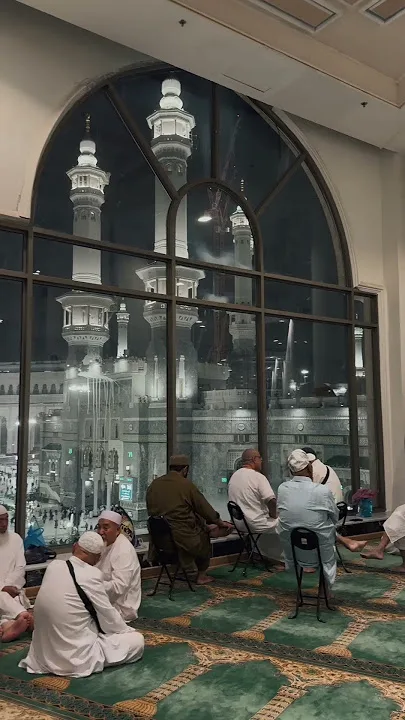
Abu Bakr (may Allah be pleased with him) Mosque
Although there is a mosque on the fourth floor, the high-rise building houses a shopping mall where various kinds of goods can be purchased.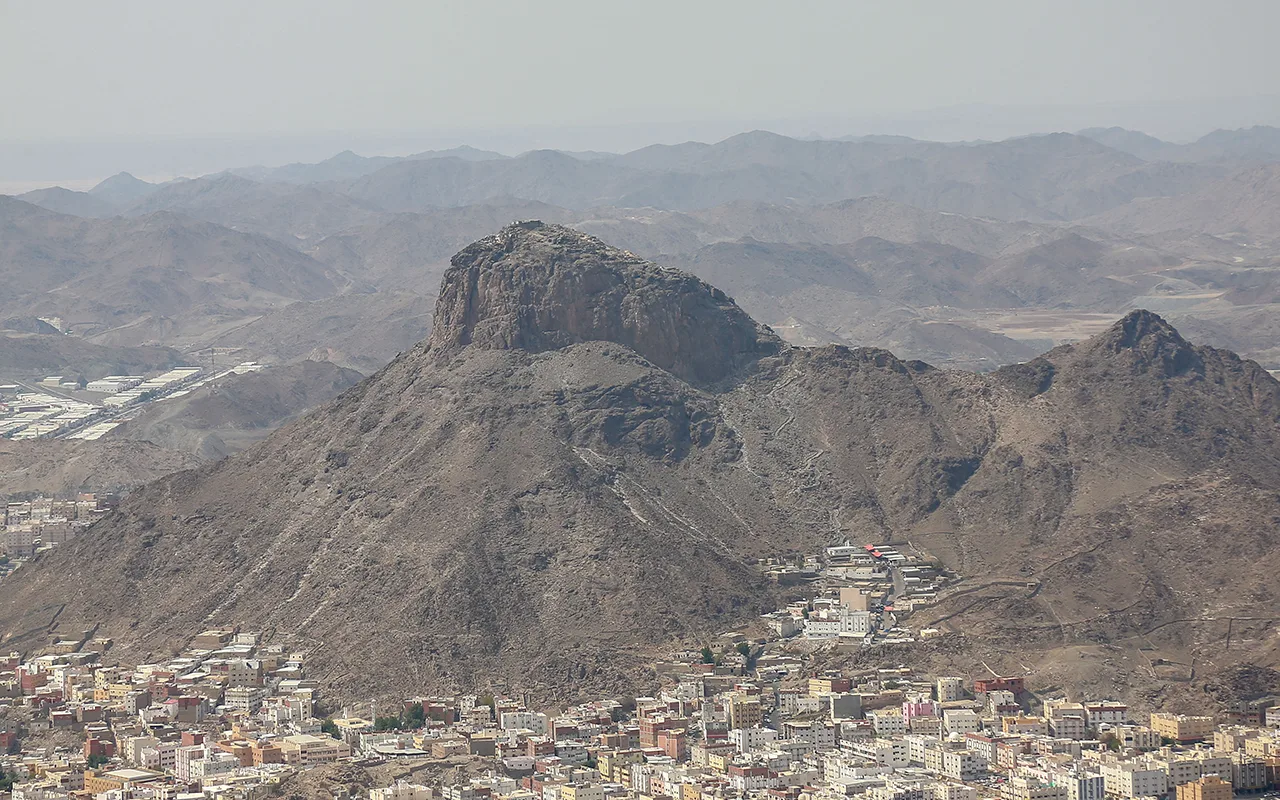
Jabal al-Nur and the Cave of Hira
The small cave of Ghar Hira is near the summit of a steep mountain northeast of Makkah.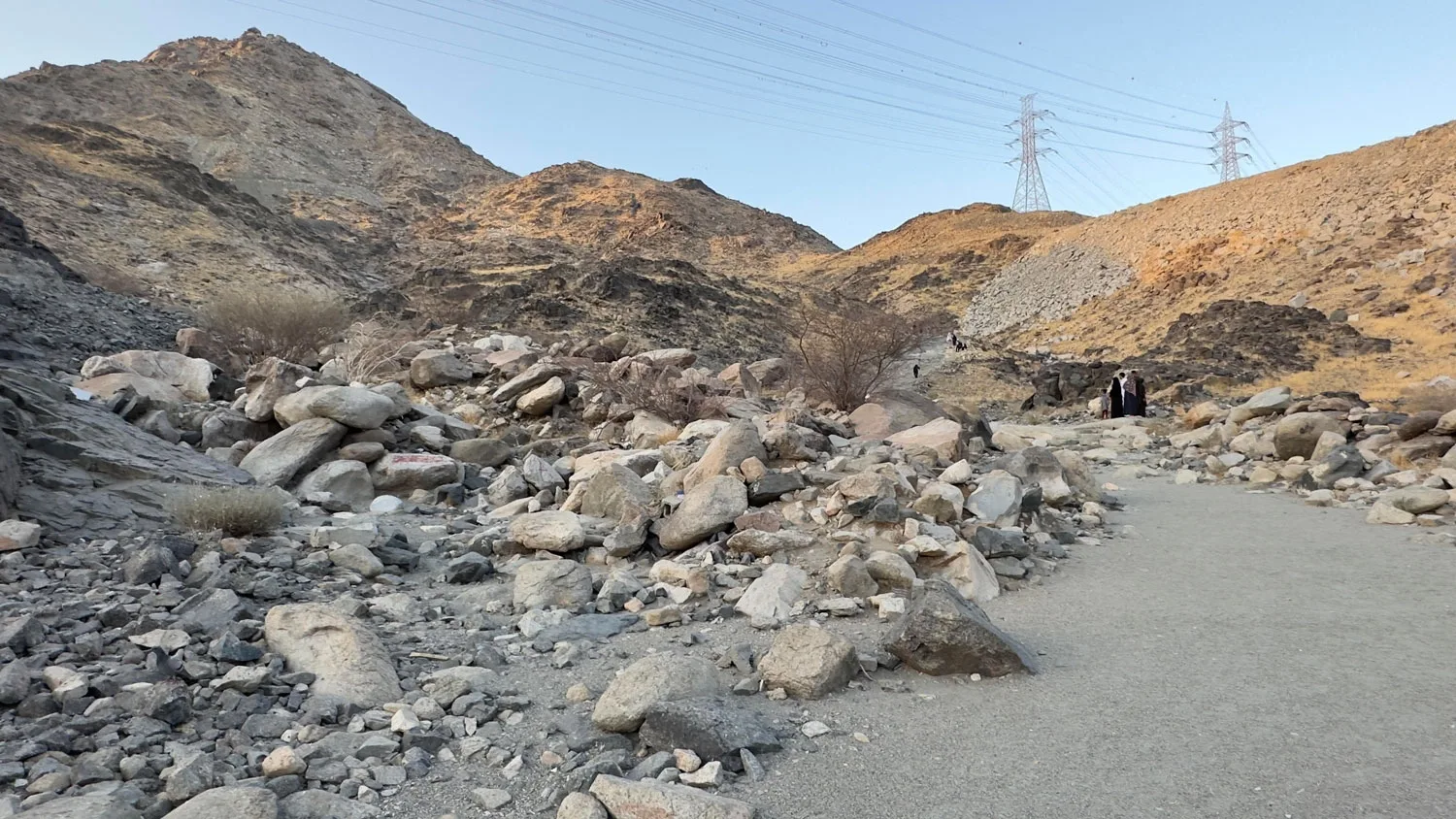
Jabal Thawr and the Cave of Thawr
A small cave hidden on the steep slopes of Jabal Thawr, south of Makkah. During the Hijrah, the Messenger of Allah ﷺ and Abu Bakr (may Allah be pleased with him) took refuge here for three nights.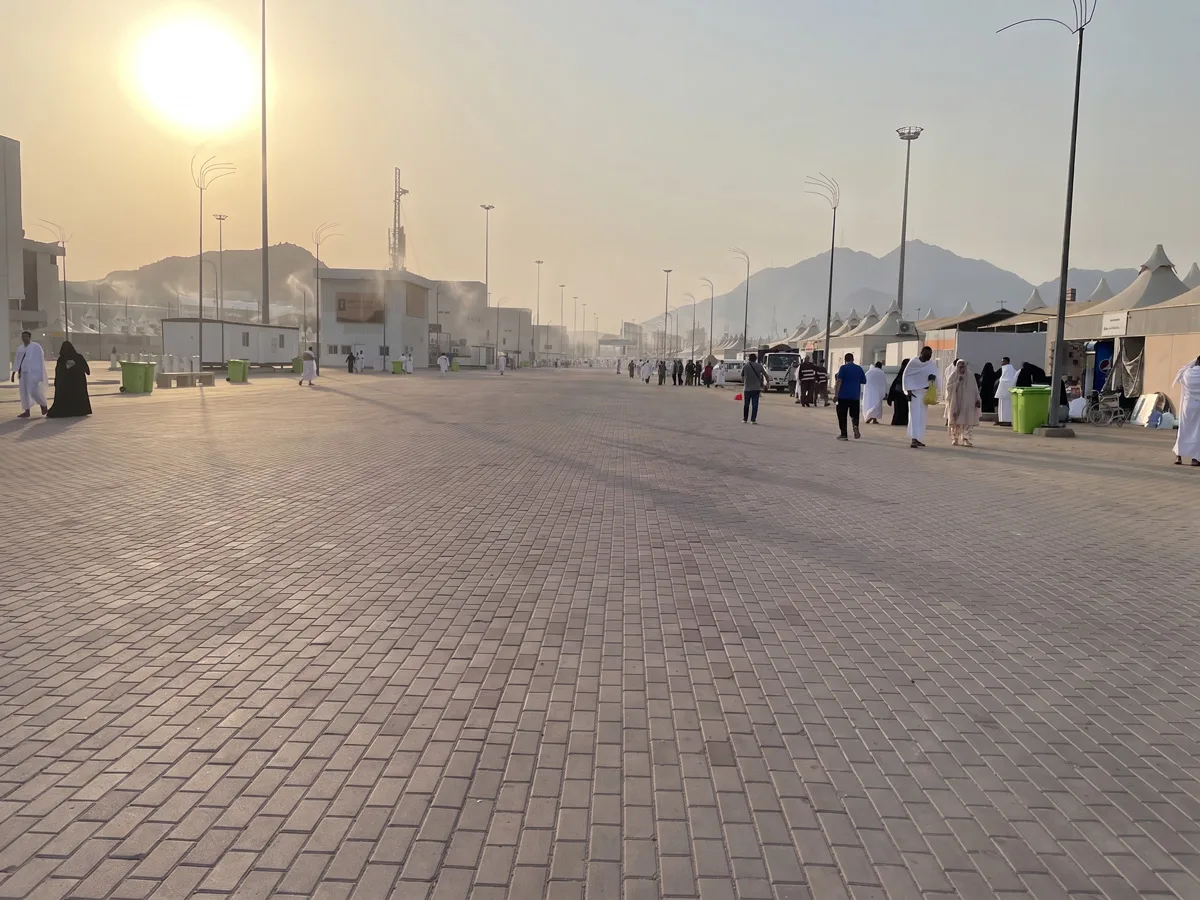
Mina—the City of Tents
A valley located between Makkah and Muzdalifah, where the pilgrims stay during the days of Hajj. This place is the center for the Jamarat, sacrifice, and the nights of Tashriq.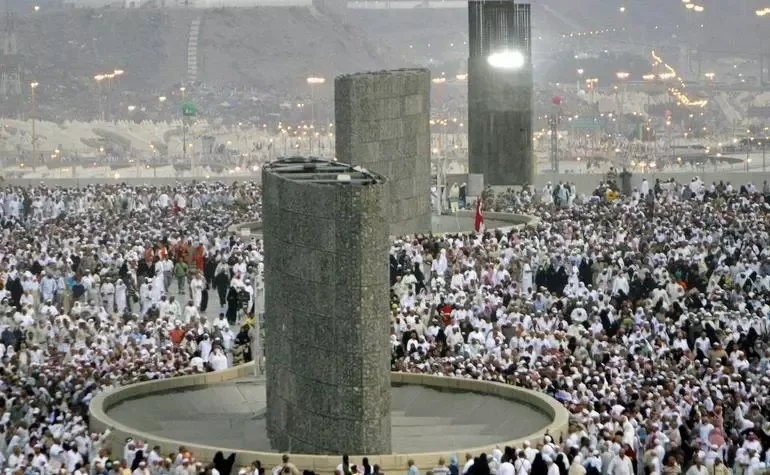
Jamarat
The three pillars located in Mina, at which pilgrims throw pebbles. This is an obligatory rite of Hajj, associated with the memory of Ibrahim (peace be upon him).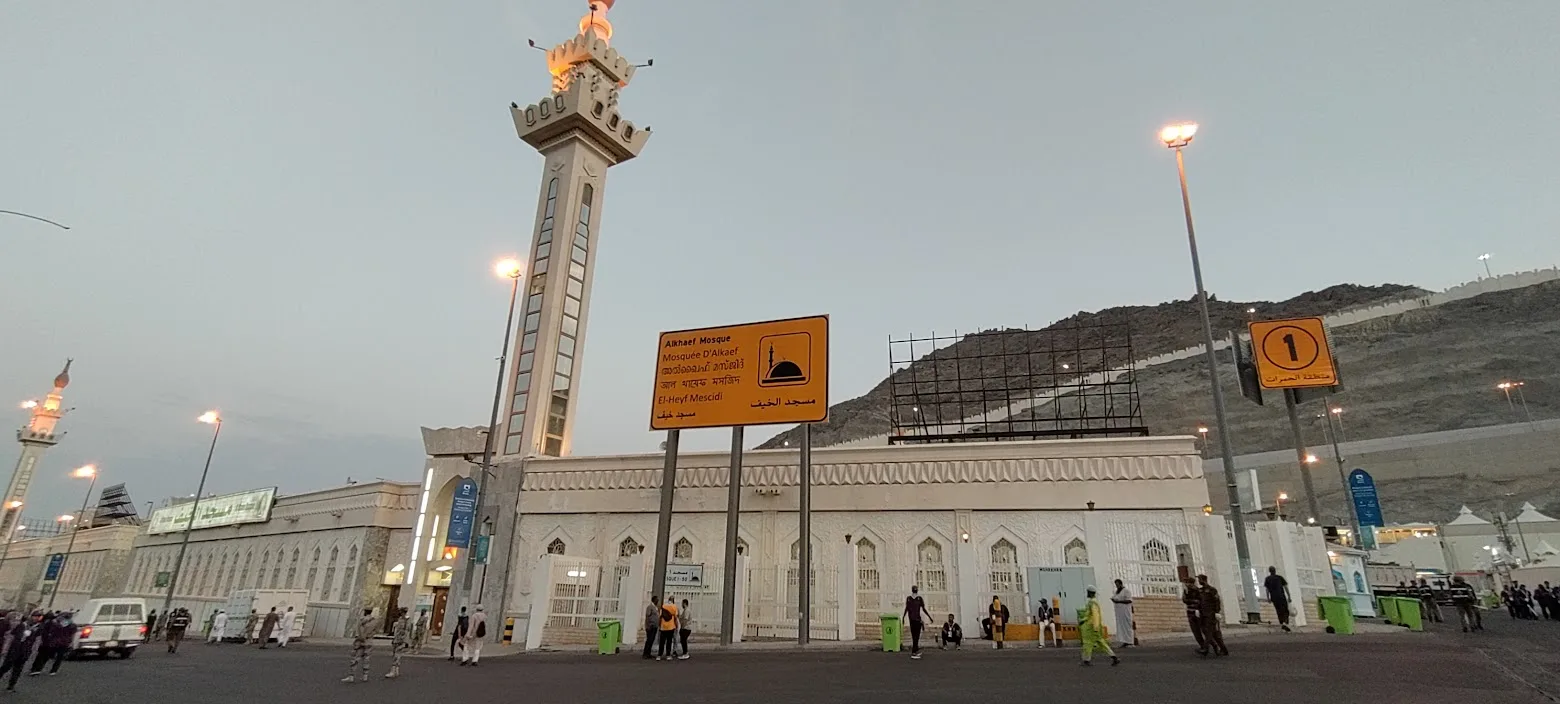
Masjid al-Khayf
Mina’s largest and oldest mosque is located near Jamrat al-Sughra. During the Farewell Hajj, the Messenger of Allah ﷺ performed prayer here.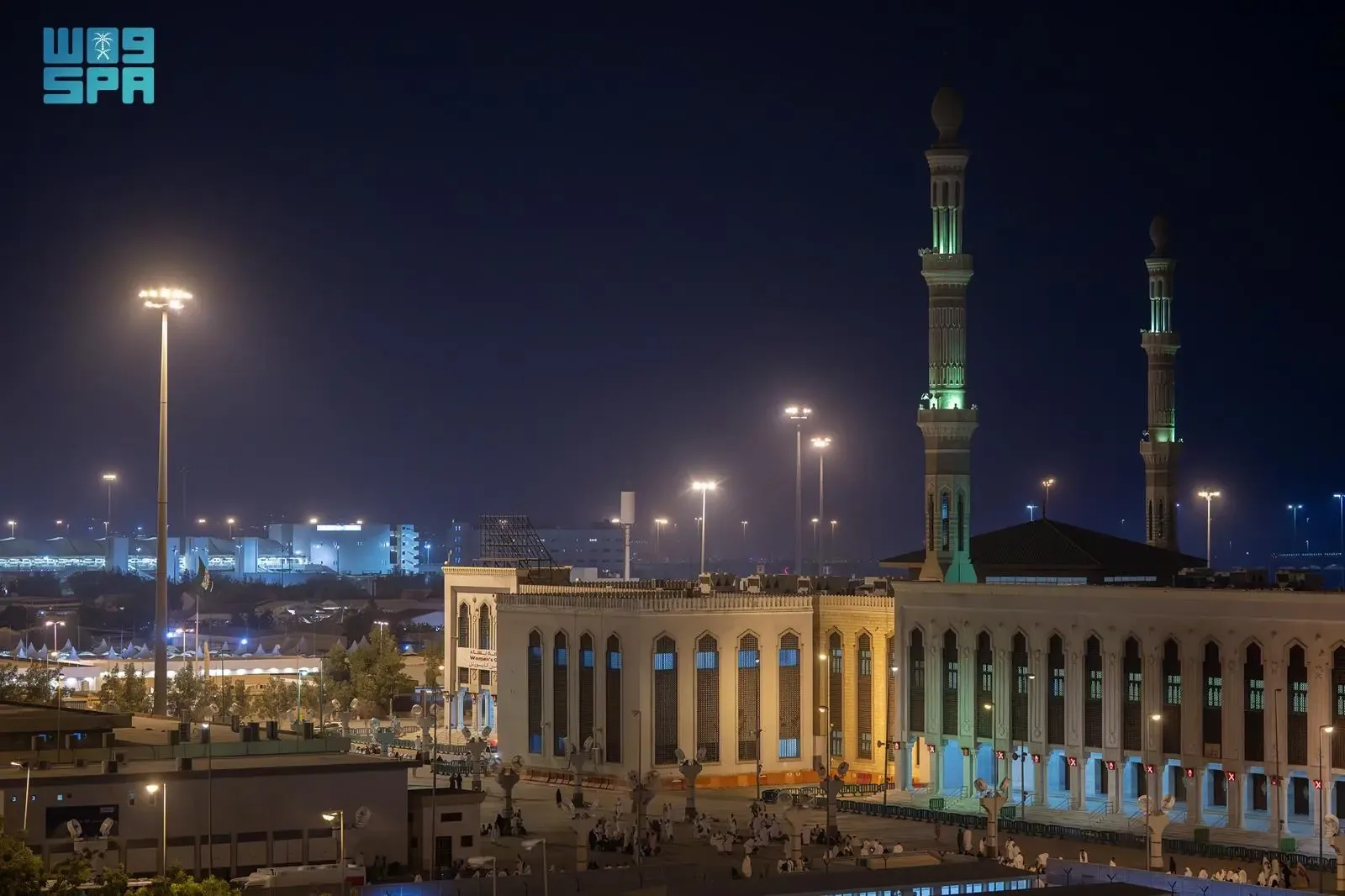
Arafat and Masjid Namirah
A vast plain east of Makkah, where the pilgrims stay on 9 Dhul-Hijjah. This wuquf is the principal pillar of Hajj. Masjid Namirah is located at the western edge of the plain.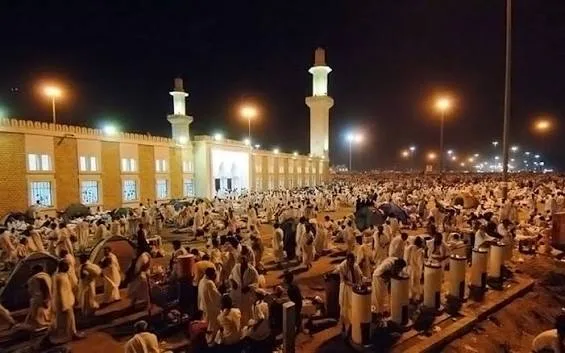
Muzdalifah and al-Mash‘ar al-Haram
An open area situated between Arafat and Mina, where pilgrims stay on the night of 9 Dhul-Hijjah. The mountain here is called Mash'ar al-Haram.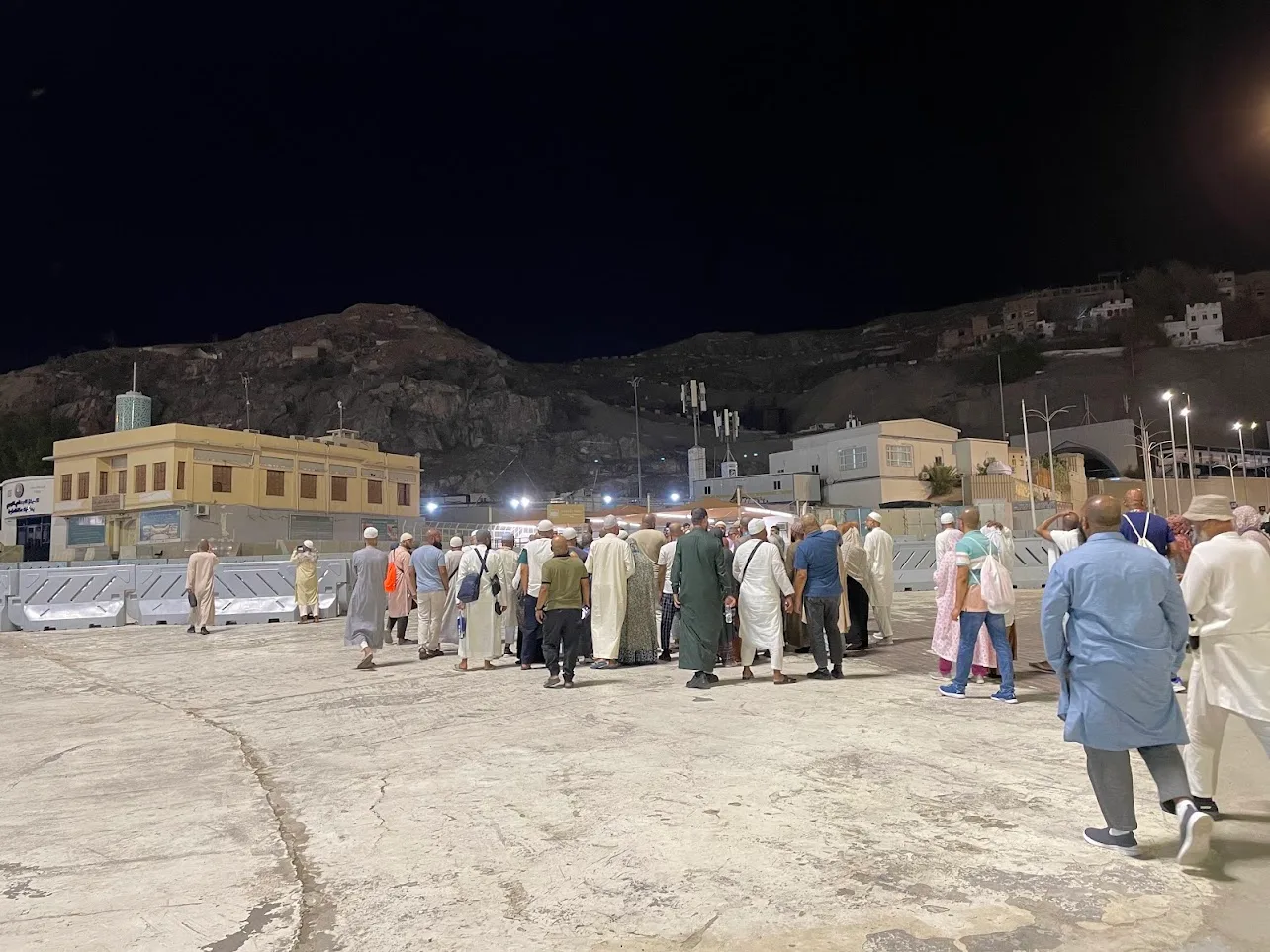
The birthplace of the Messenger of Allah ﷺ (according to tradition)
A site located in the Shi'b Banu Hashim area near al-Masjid al-Haram, where the Messenger of Allah ﷺ is traditionally believed to have been born. There is now a library there.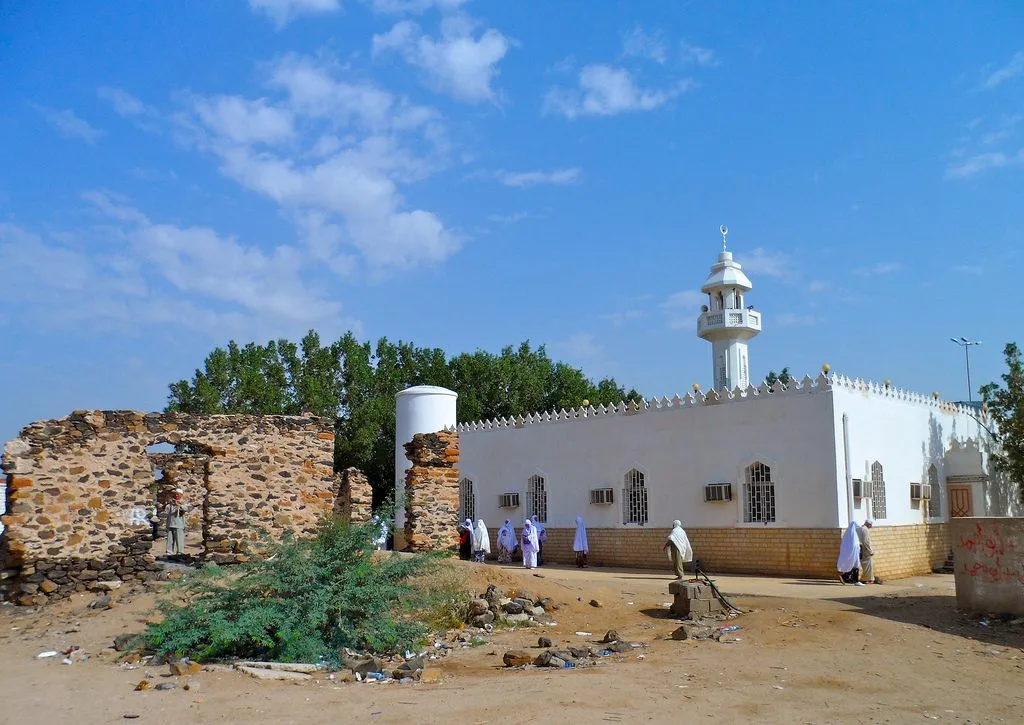
Hudaybiyyah
An area located west of Makkah near the boundary of the Haram, where the Treaty of Hudaybiyyah with the Quraysh and the Bay‘at al-Ridwan took place in the sixth year after Hijrah.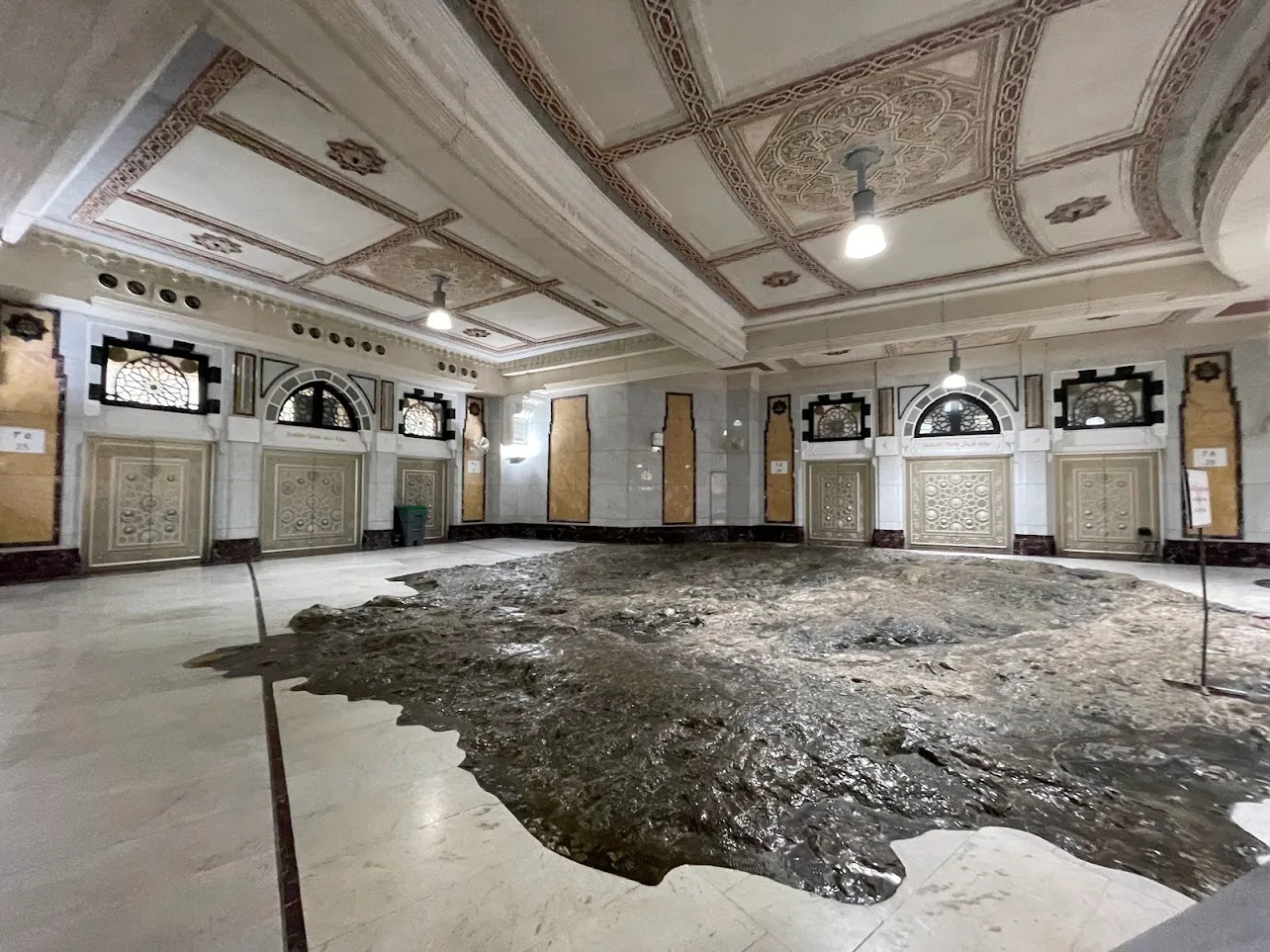
Safa and Marwah
Two small hills located within al-Masjid al-Haram, between which going back and forth seven times is called Sa‘i—this is a pillar of Hajj and Umrah.
Madinah
6 places
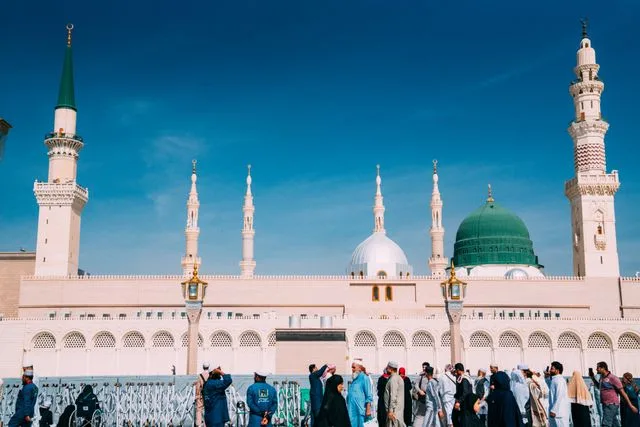
Al-Masjid an-Nabawi
Located in the heart of Madinah, the Mosque of the Messenger of Allah ﷺ was built under his supervision after the Hijrah. It is one of the three principal mosques in Islam.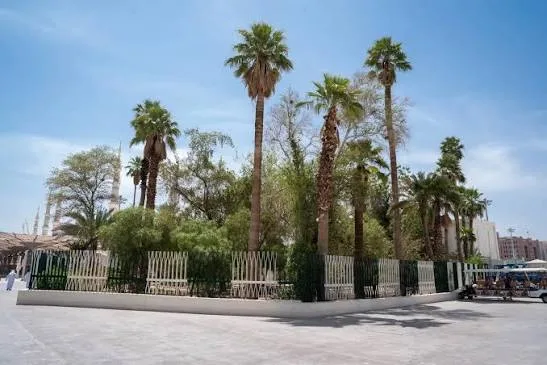
Saqifah Banu Sa'idah
A place located near the Prophet’s Mosque, where, after the passing of the Messenger of Allah ﷺ, the Companions gathered and pledged allegiance to Abu Bakr (may Allah be pleased with him).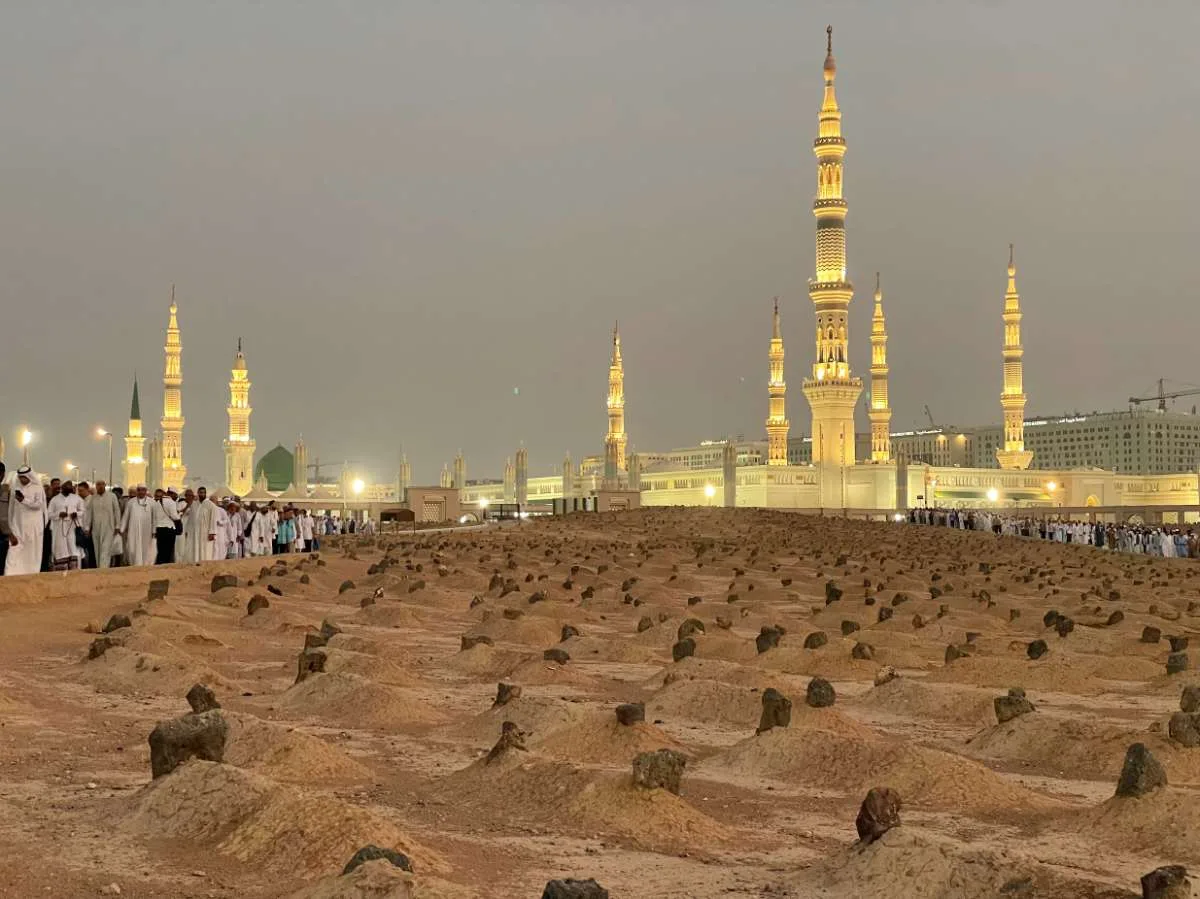
Al-Baqi Cemetery
The main cemetery of Madinah, located on the eastern side of Al-Masjid an-Nabawi, where many Companions and members of the family of the Messenger of Allah ﷺ are buried.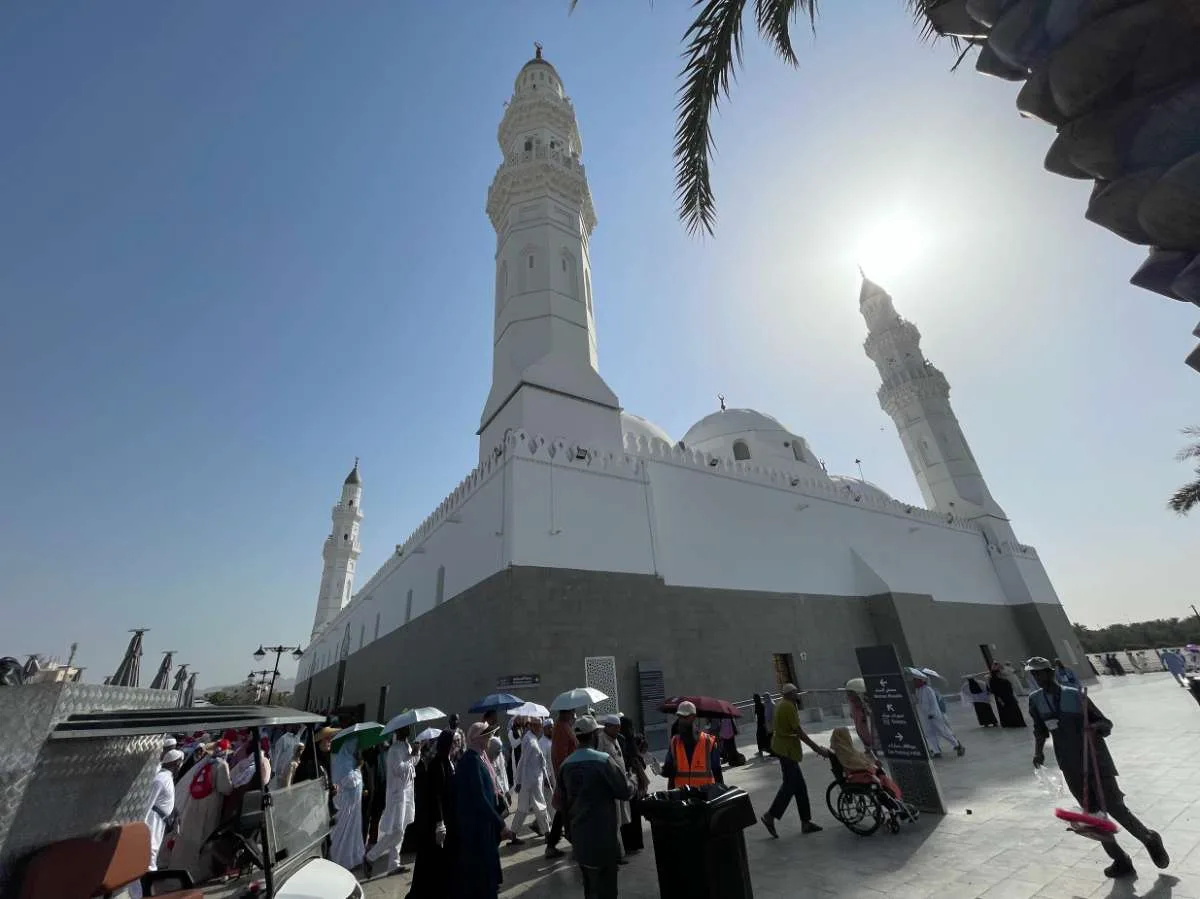
Quba Mosque
The first mosque in Islam, located south of Madinah, whose foundation the Messenger of Allah ﷺ laid with his own hands on the journey of Hijrah.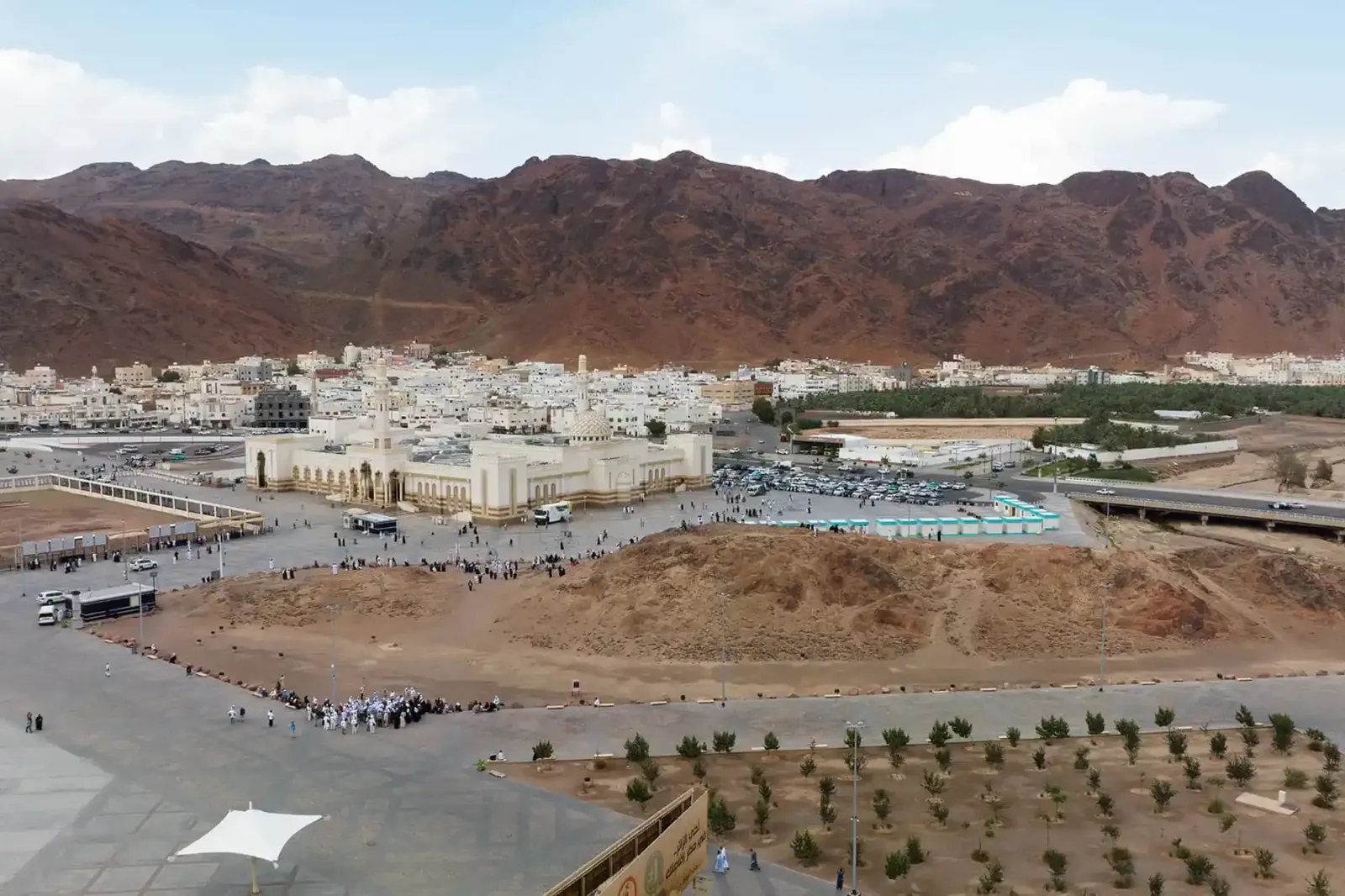
The Plain of Uhud and the Cemetery of the Martyrs
The plain situated north of Madinah at the foot of Jabal Uhud, where the Battle of Uhud took place in the third year of the Hijrah and the martyrs were buried.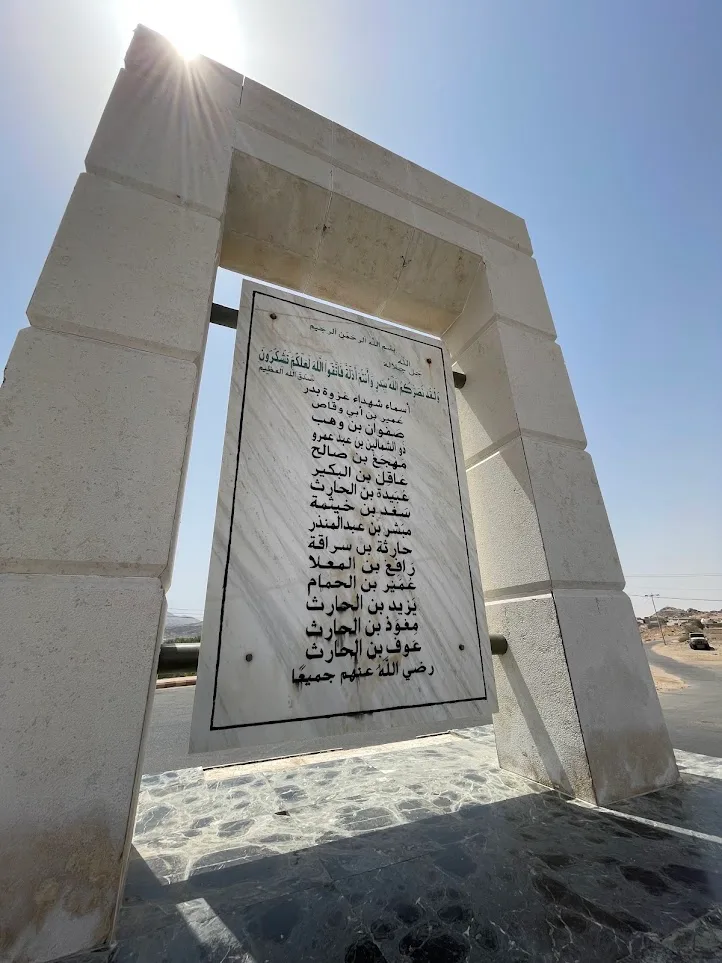
The Plain of Badr and the Cemetery of the Martyrs
A settlement located southwest of Madinah, where the Battle of Badr, the first major battle in Islam, took place in the second year of the Hijrah.
Taif
3 places
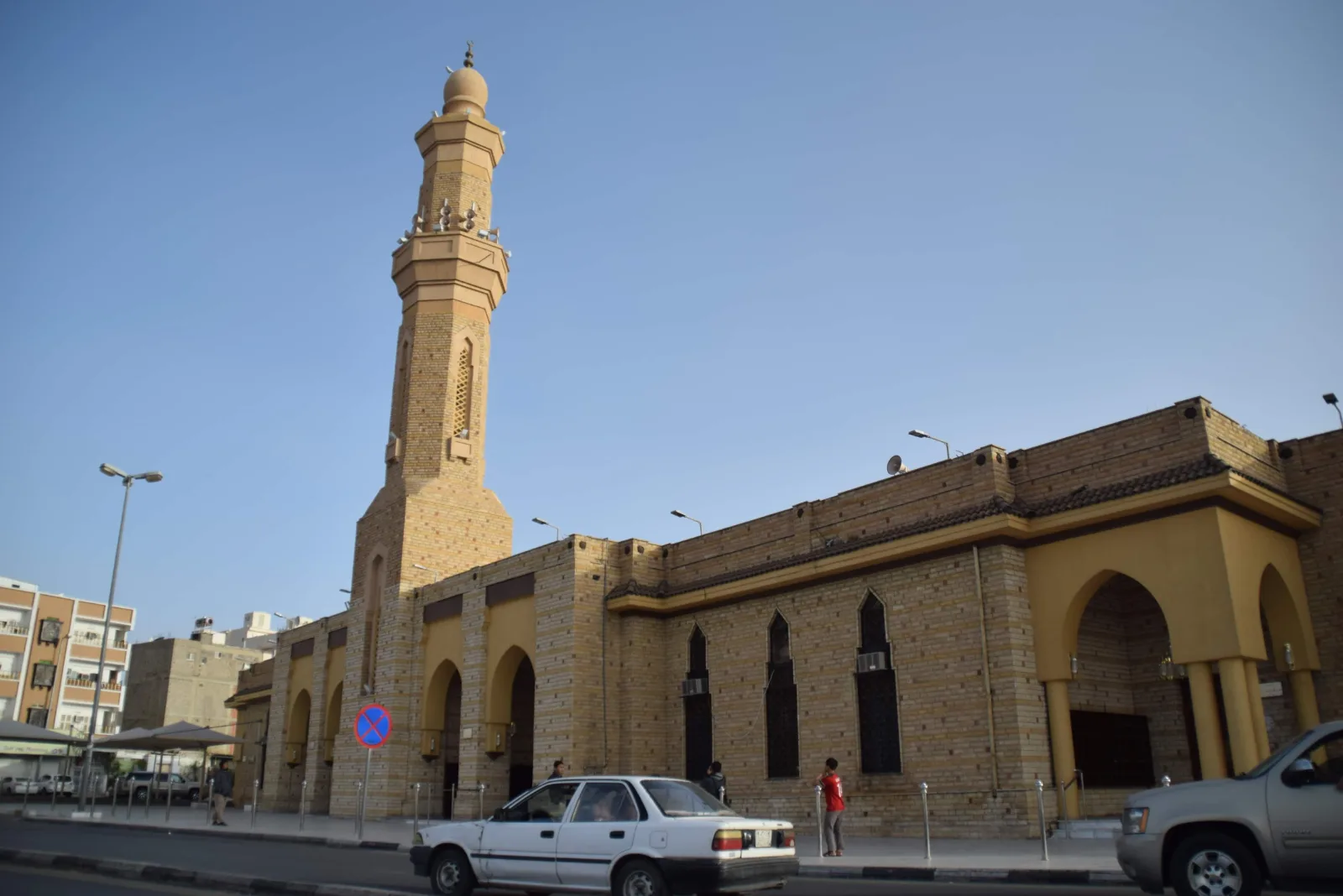
The Mosque of Abdullah ibn Abbas (may Allah be pleased with him)
The principal historic mosque of Taif, known by the name of the Companion Abdullah ibn Abbas (may Allah be pleased with him); his grave is located in the area adjoining the mosque.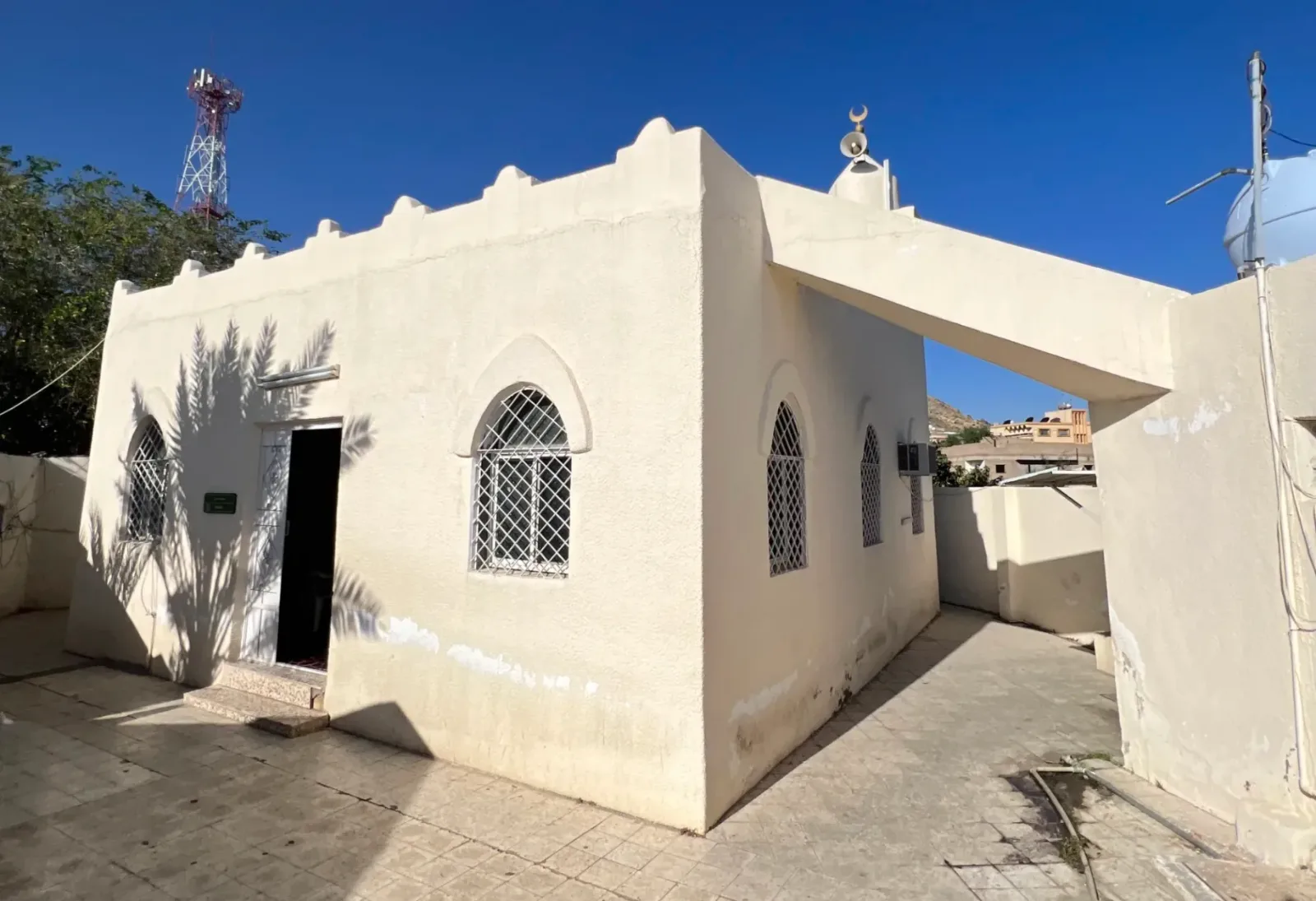
Masjid Addas
The mosque located in Ta’if, traditionally known as the site of the incident involving Addas—the slave who gave grapes to the Messenger of Allah ﷺ during his journey to Ta’if.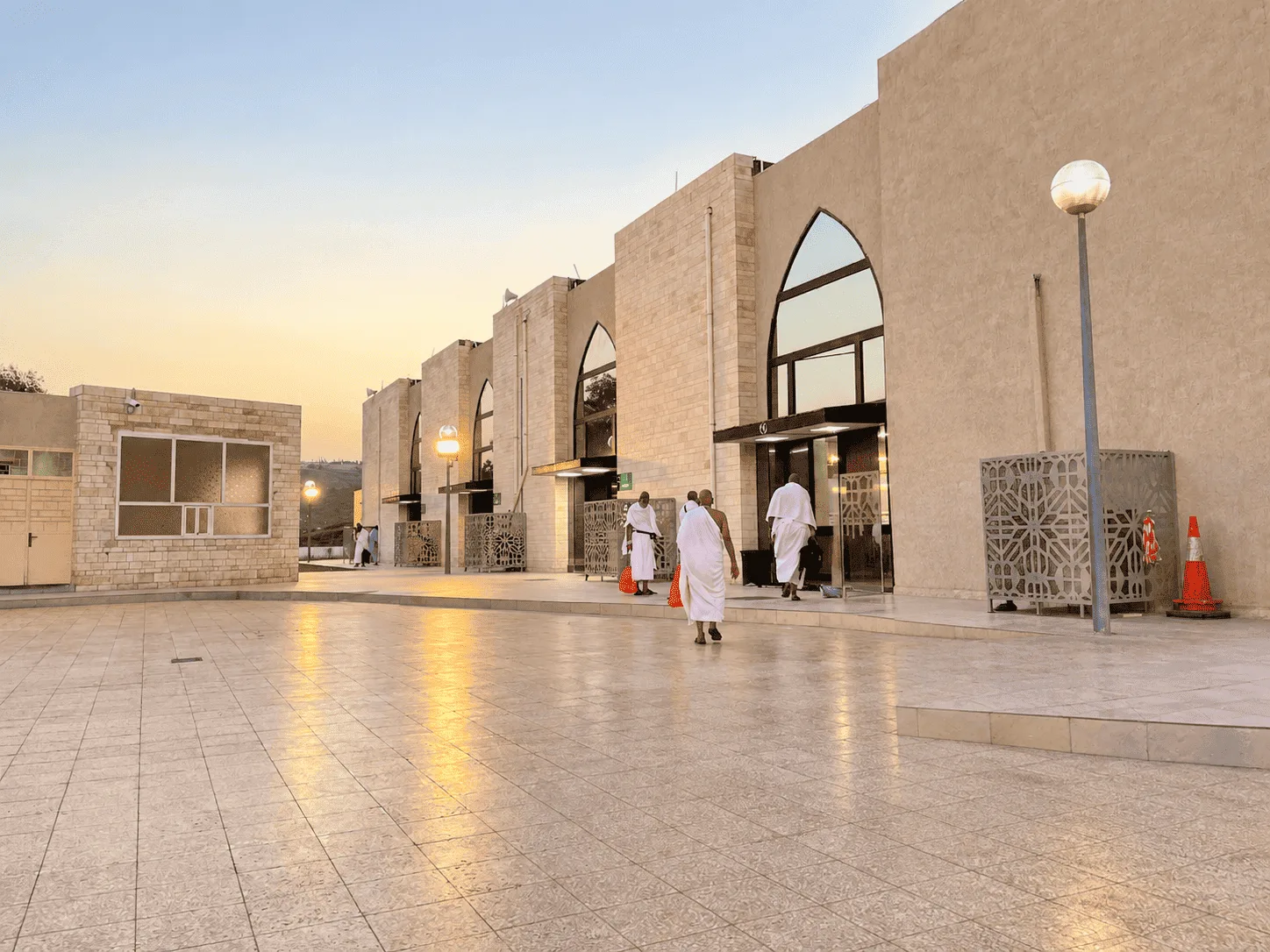
Qarn al-Manazil (As-Sayl al-Kabir)
The miqat located on the road to Ta’if, where Hajj and Umrah pilgrims coming from Najd and the east enter into ihram.