Historical Places
Saqifah Banu Sa'idah
Madinah
A place located to the northwest of Al-Masjid an-Nabawi. “Saqifah” means a roofed open courtyard; it was such a courtyard belonging to Banu Sa'idah, a branch of the Khazraj tribe, where they would usually gather for consultation. After the passing of the Messenger of Allah ﷺ, the Ansar assembled there, and upon receiving the news, Abu Bakr, Umar, and Abu Ubaidah (may Allah be pleased with them) went there. After discussion, the Companions present pledged allegiance to Abu Bakr (may Allah be pleased with him), and the following day the general pledge of allegiance took place in Al-Masjid an-Nabawi. The event is known in Islamic history as the beginning of the Caliphate. Today, the precise location of the site is traditionally identified; there is now an open garden area adjoining the mosque, with no separate structure.নেই।
Photo credit: visitmadinahsa.com, hajjumrahplanner.com
More places in Madinah
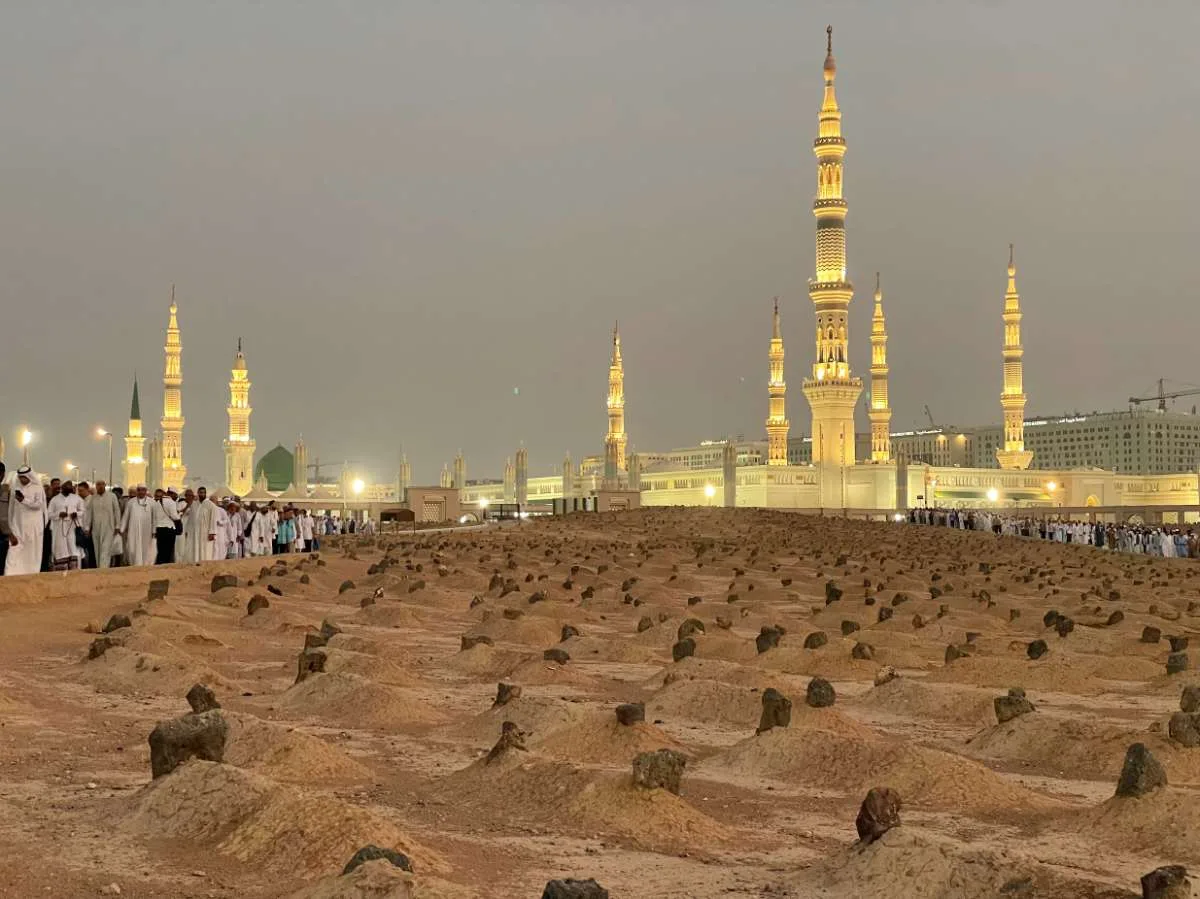
Al-Baqi Cemetery
The main cemetery of Madinah, located on the eastern side of Al-Masjid an-Nabawi, where many Companions and members of the family of the Messenger of Allah ﷺ are buried.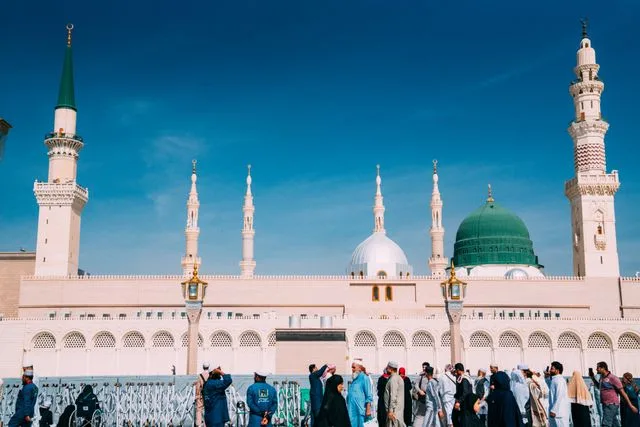
Al-Masjid an-Nabawi
Located in the heart of Madinah, the Mosque of the Messenger of Allah ﷺ was built under his supervision after the Hijrah. It is one of the three principal mosques in Islam.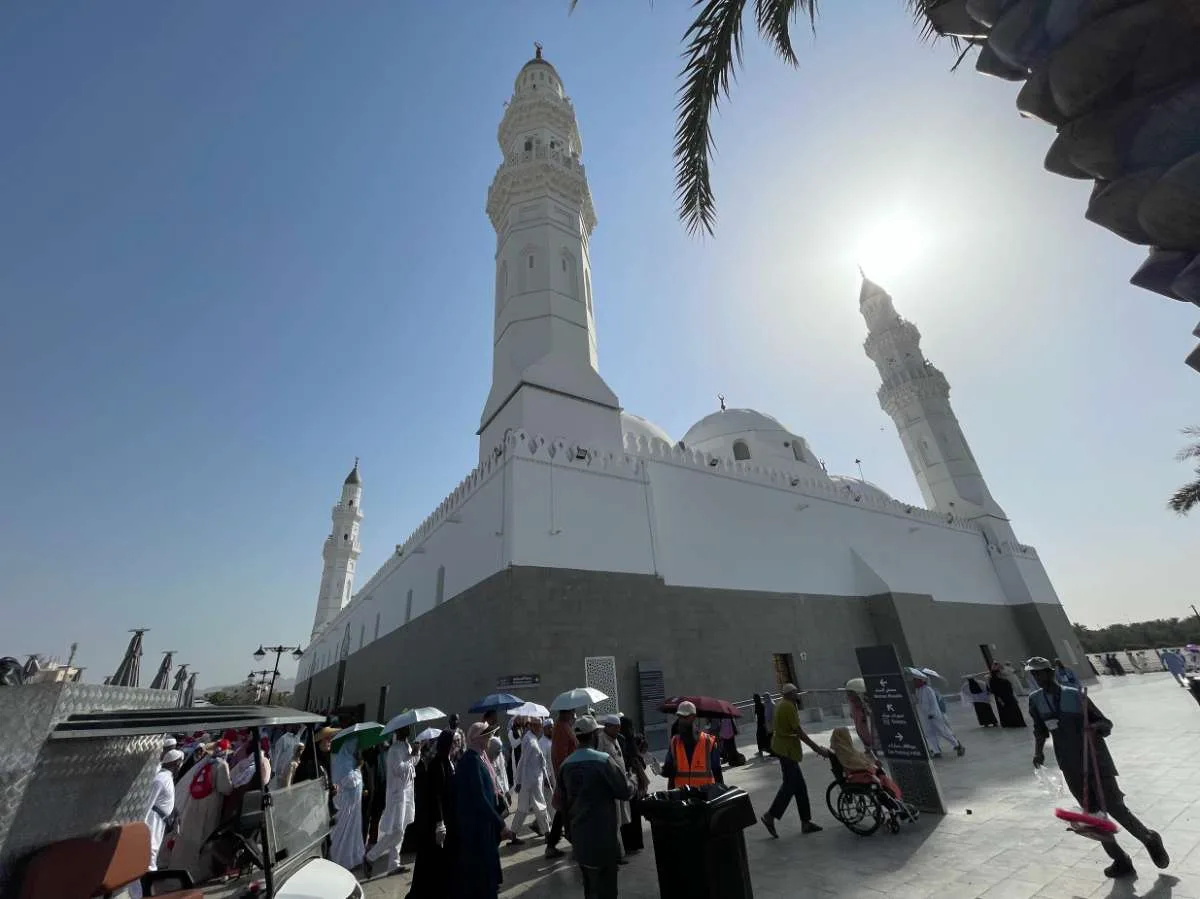
Quba Mosque
The first mosque in Islam, located south of Madinah, whose foundation the Messenger of Allah ﷺ laid with his own hands on the journey of Hijrah.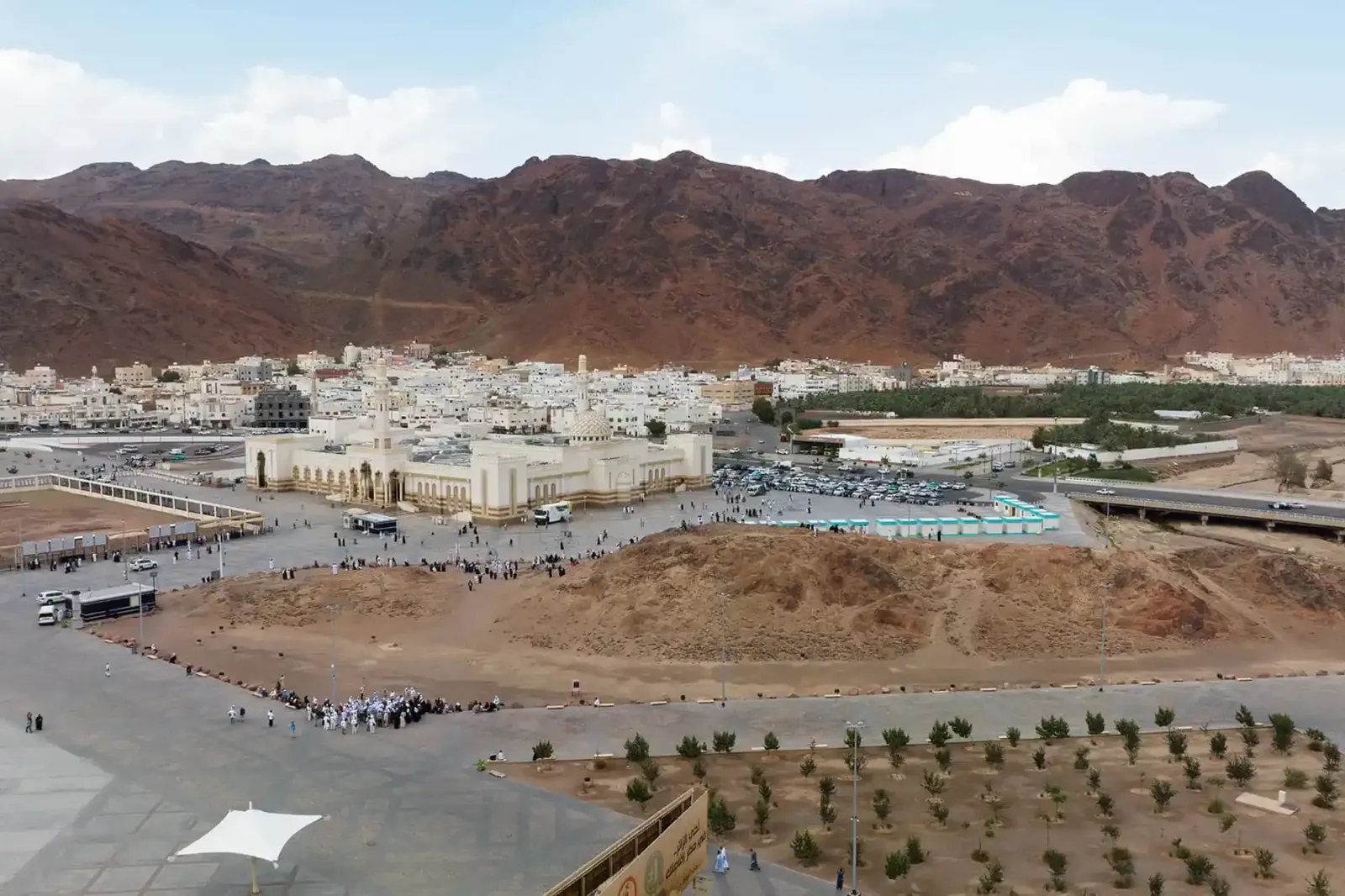
The Plain of Uhud and the Cemetery of the Martyrs
The plain situated north of Madinah at the foot of Jabal Uhud, where the Battle of Uhud took place in the third year of the Hijrah and the martyrs were buried.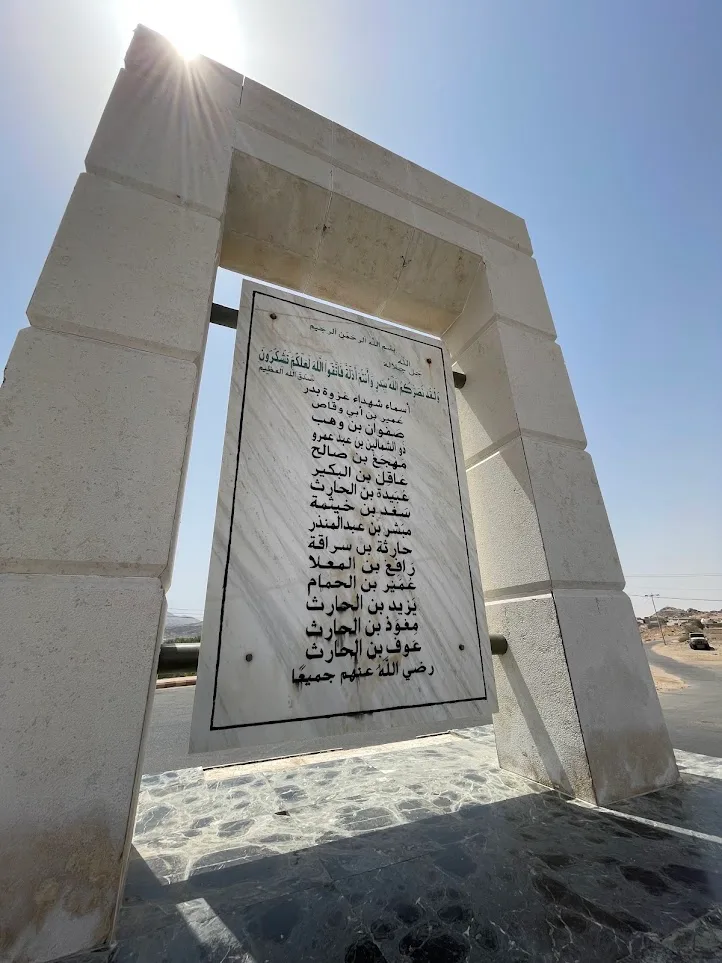
The Plain of Badr and the Cemetery of the Martyrs
A settlement located southwest of Madinah, where the Battle of Badr, the first major battle in Islam, took place in the second year of the Hijrah.