Historical Places
Safa and Marwah
Makkah
Two small hills located within al-Masjid al-Haram, between which the approximately 450-meter-long passage is called the Mas‘a. Ibrahim’s (peace be upon him) wife Hajar (peace be upon her) ran between these two hills seven times in search of water for the infant Isma‘il (peace be upon him). In commemoration of this, Hajj and Umrah pilgrims begin at Safa and complete seven circuits ending at Marwah, which is known as Sa‘i. In Surah al-Baqarah of the Qur’an, Safa and Marwah are mentioned as among the symbols of Allah. Due to expansions, parts of the two hills now lie beneath the mosque’s roof, but the original rock has been preserved. The Mas‘a is now multi-level and air-conditioned, with separate lanes for wheelchairs and electric carts.
More places in Makkah
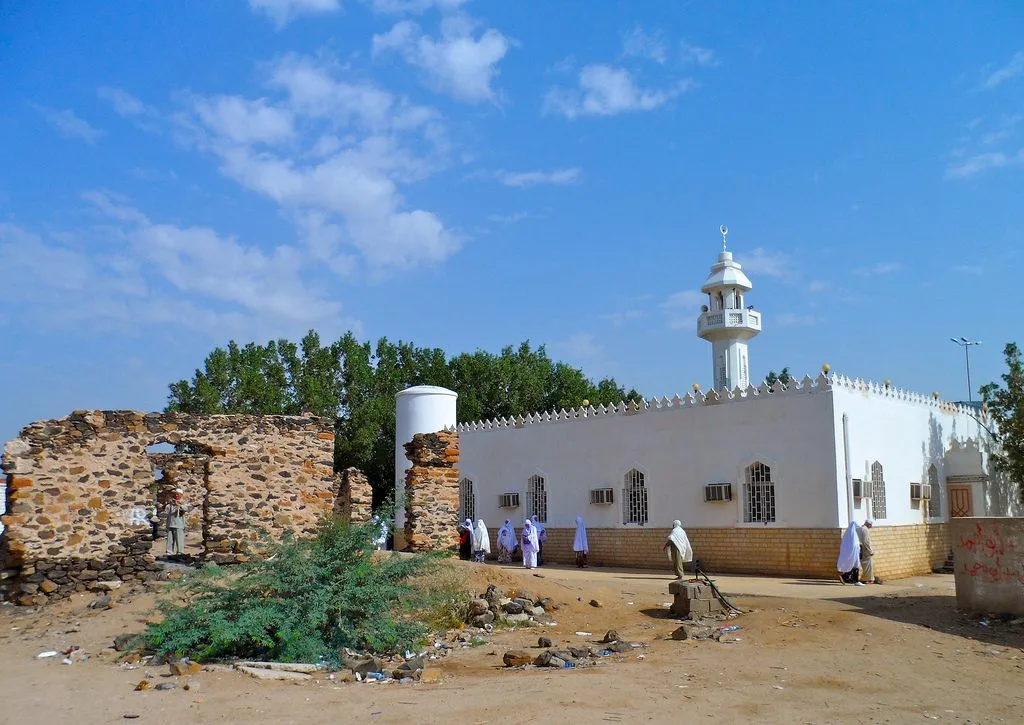
Hudaybiyyah
An area located west of Makkah near the boundary of the Haram, where the Treaty of Hudaybiyyah with the Quraysh and the Bay‘at al-Ridwan took place in the sixth year after Hijrah.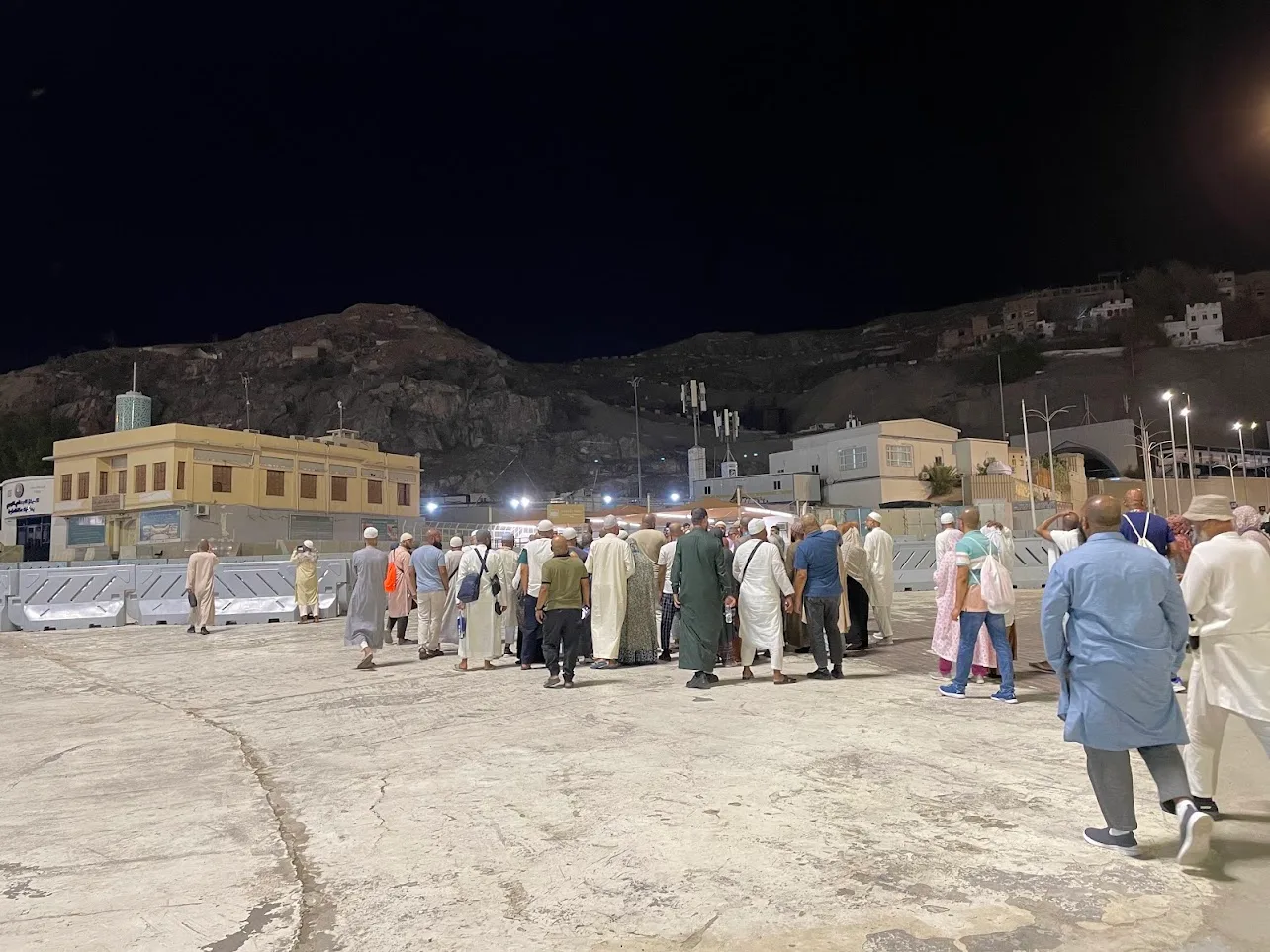
The birthplace of the Messenger of Allah ﷺ (according to tradition)
A site located in the Shi'b Banu Hashim area near al-Masjid al-Haram, where the Messenger of Allah ﷺ is traditionally believed to have been born. There is now a library there.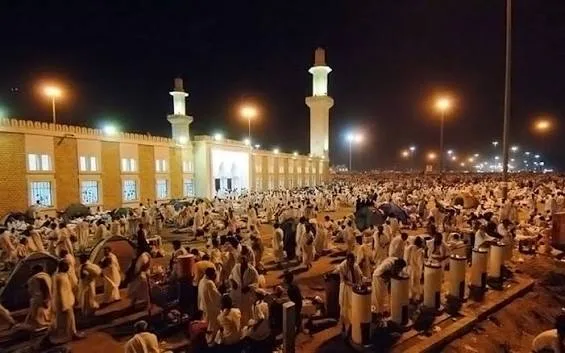
Muzdalifah and al-Mash‘ar al-Haram
An open area situated between Arafat and Mina, where pilgrims stay on the night of 9 Dhul-Hijjah. The mountain here is called Mash'ar al-Haram.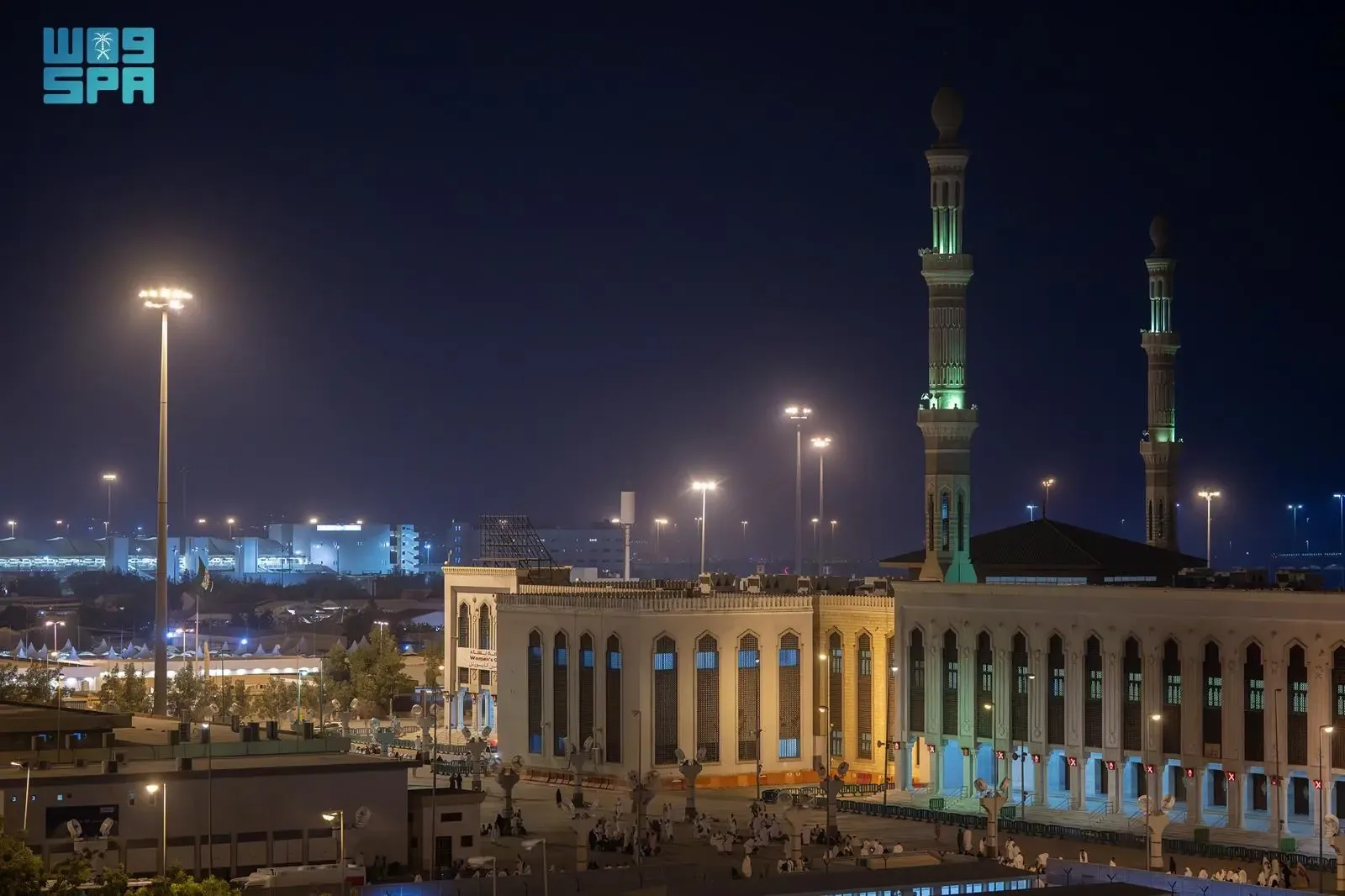
Arafat and Masjid Namirah
A vast plain east of Makkah, where the pilgrims stay on 9 Dhul-Hijjah. This wuquf is the principal pillar of Hajj. Masjid Namirah is located at the western edge of the plain.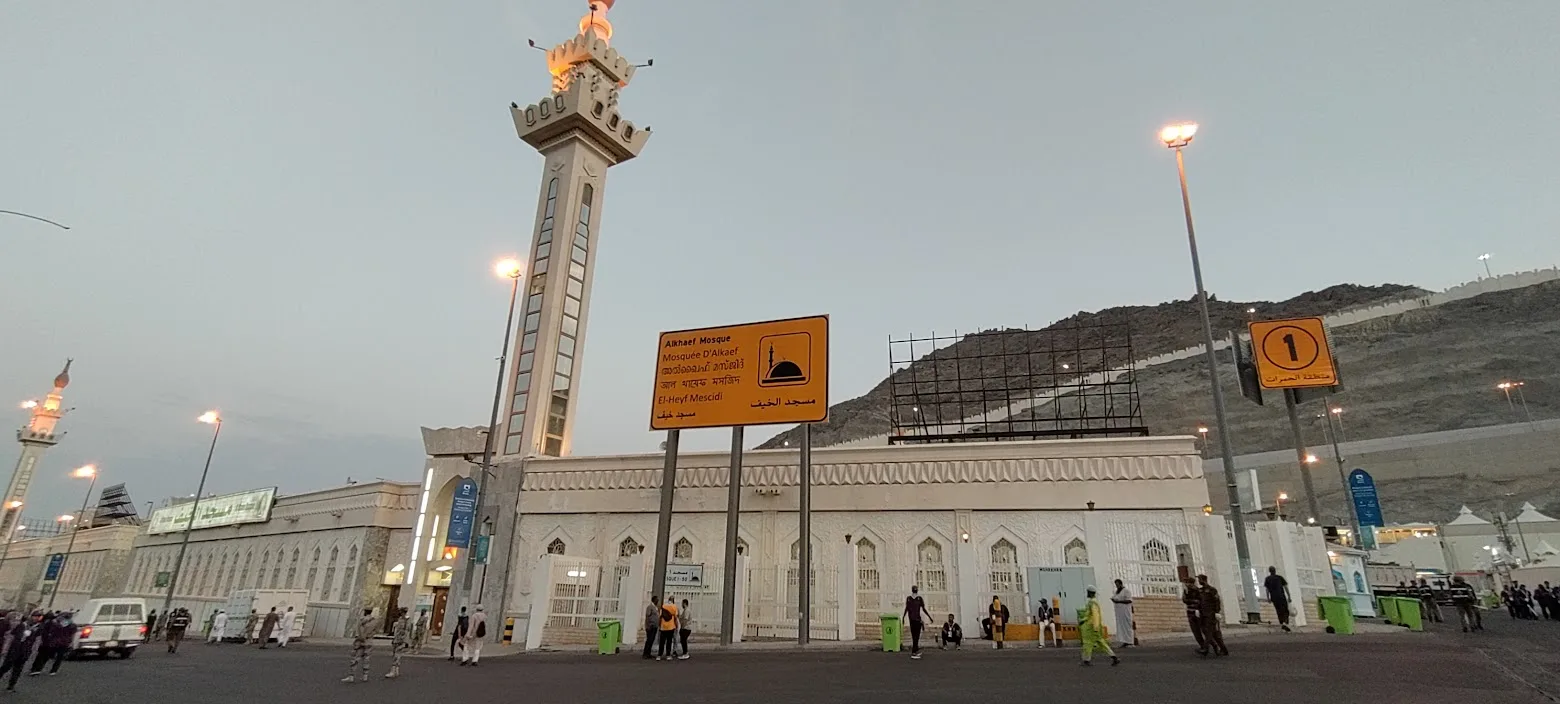
Masjid al-Khayf
Mina’s largest and oldest mosque is located near Jamrat al-Sughra. During the Farewell Hajj, the Messenger of Allah ﷺ performed prayer here.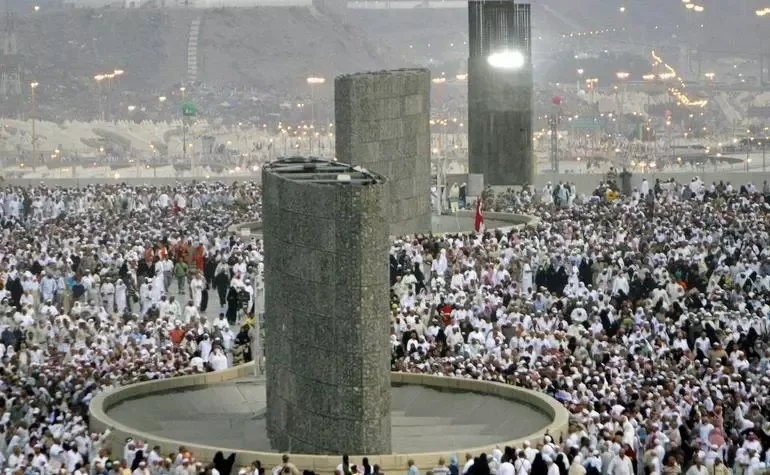
Jamarat
The three pillars located in Mina, at which pilgrims throw pebbles. This is an obligatory rite of Hajj, associated with the memory of Ibrahim (peace be upon him).